
Water polo betting odds — how prices work and where GB punters can place them
 Available in US
Water polo sits in a small corner of the British sportsbook, and that corner tells you most of what you need to know before placing a bet. The fixtures are limited, the outright market is shallow, and bookmakers that cover the sport well treat it as one branch of a deeper in-play programme rather than a standalone product. The odds themselves work the way odds on any other sport do — stake multiplied by price, with a margin baked into both sides — but the price moves on less liquidity, and a reader needs to know how thin a market is before reading the numbers as if they were football.
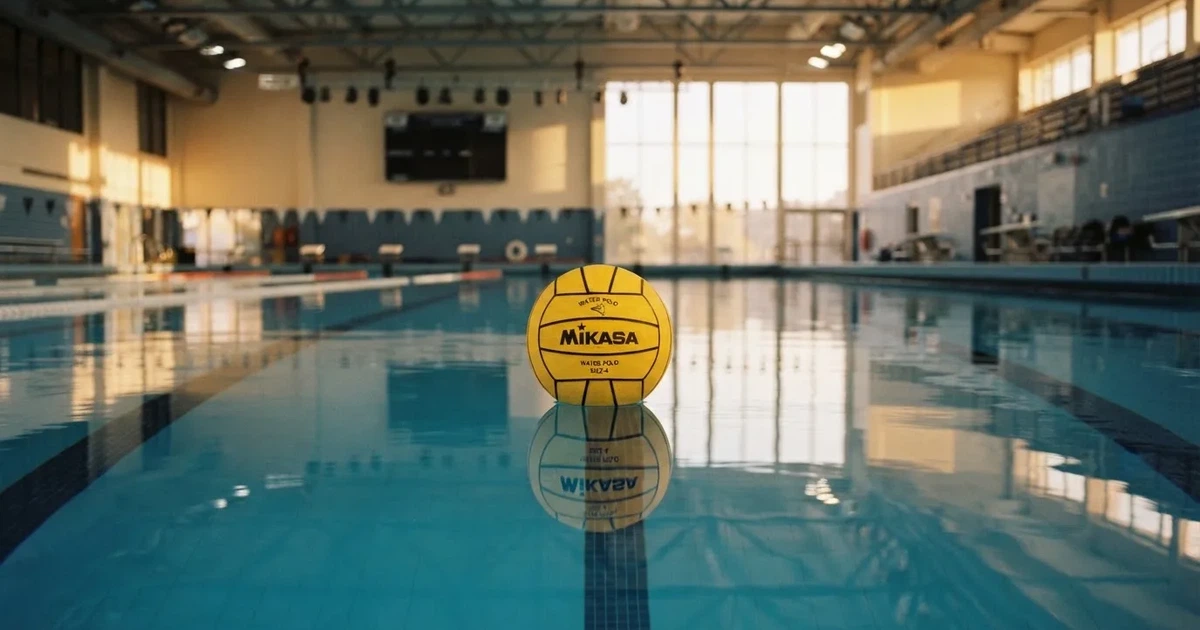
The page below is built for the consequence of putting a stake down, not the description of a sport. It opens with how a water polo price is set and what a two-way line at evens actually keeps for the bookmaker, moves through the licence check a British punter should run before depositing, and finishes with ten Gambling Commission-licensed operators that take bets on water polo or on the wider aquatic and Olympic programme the sport sits inside.
Verified against the Gambling Commission’s public register on 30 October 2026.
How a water polo price is put together
A water polo price is a number with two halves at odds sitting on opposite sides of a line, and the gap between them and a fair price is what the bookmaker keeps. The way to see that gap is to take a simple two-way market — a match result, with home and away — and ask what a fair book would pay on both outcomes together. At evens, decimal 2.00 on each side, the fair payout share is one divided by the sum of the two implied probabilities. The implied probability of a 2.00 price is one divided by 2.00, or 0.50, and the two sides add to 1.00. A fair book would return exactly what came in, with nothing left over for the operator. The price the punter sees is never a fair price. The bookmaker’s margin — the overround — sits in both halves of the line and pushes the two implied probabilities above 1.00.

Take an illustrative two-way market at decimal odds of 1.90 on each side. The implied probability of each half is one divided by 1.90, or about 0.5263, and the two add to about 1.0526. The fair payout share is one divided by that sum, or about 0.9500. The margin is one minus the payout share, or roughly 5.0%. Every pound staked on that market returns 95p on a perfectly even book, and 5p stays with the operator as gross profit before any other charge is taken out. The 5.0% margin is the cost of betting on that exact event at that exact snapshot — a stated margin of 5% is a different number from a stated fee of 5% of stake, and a stated payout share of 95% and a stated margin of 5% are the same market described from two sides.
That is the cost a margin sits at on most football and tennis markets. Water polo lines run with more margin than that, on average, because there are fewer bets on each fixture. A 7.0% to 9.0% margin band on a water polo match-result line is typical of what a smaller-liquidity sport looks like. The band stays a band rather than a single figure because research does not give a snapshot price for water polo the way it does for football, and a number invented to fill the gap is a number a reader acts on and loses money to. The honest read is qualitative: water polo prices are a dead-money sport, and a 2.0% to 4.0% margin premium over the football equivalent is what that costs a punter per pound staked.
The other thing a margin does is move the price during the match. In-play trading on water polo is thinner than on football because fewer people are watching a stream with a betting slip open, and the bookmaker’s algorithm responds to fewer bets with a wider spread. The same selection priced at 1.90 pre-match may trade at 1.80 in-play after a single goal, because the bookmaker has had to assume more without a counter-bet to lean on. That is not a bookmaker behaving badly — it is how a thin market prices risk, and a reader who has only bet on football should know the difference before expecting the same price discipline on a sport with a quarter of the handle.
What the price pays back
The arithmetic of a winning bet is the same on water polo as on any other sport. The return on a single bet is the stake multiplied by the decimal odds, and the net profit is the stake multiplied by the odds minus one. A £10 stake at decimal odds of 2.50 returns £25, of which £15 is profit and £10 is the stake returned. A combination bet multiplies the legs into one price: a treble at 2.00, 3.00 and 4.00 has combined odds of 24.00, and a £10 stake returns £240 if all three win. The accumulator is the bet that costs the bookmaker the least margin — the legs compound, so the operator’s edge applies to the product, not to each leg — but the accumulator is also the bet most likely to lose one leg and zero out the stake. A long-odds acca on water polo is not a margin play: it is a lottery-ticket play, and the price reflects that.

The same calculation in fractional odds, the form a British punter sees on the slip most often, gives the profit as a multiple of the stake. A 5/1 price returns five times the stake as profit plus the stake itself, or six times the stake as a total return. The conversion is a divided by b plus one: 5/1 in decimal is 5 divided by 1 plus 1, or 6.00. The general rule is the same, and the form is a choice of house, not a difference in arithmetic.
The licence check a GB punter should run
The Gambling Commission’s public register is the whole test of who holds a remote licence to take bets from customers in Great Britain. A punter should treat any brand that cannot be found on the register as unlicensed for British purposes, regardless of where the brand’s servers sit or what other regulator’s seal it carries on the homepage. A Curaçao, Malta or Gibraltar authorisation does not let a brand take bets in Great Britain — the 2014 Act closed that route, and a remote book needs a Commission licence wherever it is based if its facilities are used in Great Britain.
The check itself is straightforward. The Commission’s public register lets a punter search by business name, trading name, domain or account number, and a brand that comes back with an operating licence and a remote category has a real one. A licensed remote bookmaker carries a remote general betting standard (real events) licence for sports, a remote betting intermediary licence if it runs an exchange, and a separate remote general betting standard (virtual events) licence if it offers virtuals. The category matters because it tells a punter what the bookmaker is allowed to sell — a remote betting limited licence, for example, is not the same as a full general licence.
Verification is not a one-time act. A licensed bookmaker runs the check itself before the first deposit. Since 7 May 2019, the Commission has required operators to verify name, address and date of birth before a customer can deposit or gamble — including with a free bet or bonus. The check is automated in most cases and takes minutes; in some cases it takes a day and a photo of a passport. A licensed book that lets a punter deposit without it is one a punter should close, because the version of the rules it is running is the version before the Commission tightened them.
Three other consequences fall out of the licence. The brand is a GAMSTOP member — the multi-operator self-exclusion scheme is mandatory for online operators since 31 March 2020, so a punter who has signed up to GAMSTOP cannot deposit at the brand and the brand is required to block the attempt. The brand is subject to the 10x wagering cap that took effect on 19 January 2026 — a £10 bonus at 50x wagering needed £500 of bets before the cap; under the cap no more than £100, and the cap applies to bonuses, not necessarily to free bets with no wagering condition. The brand’s marketing is held to the LCCP and the CAP Code, so a punter does not see the worst of what an unlicensed site can advertise.
Three things a licence does not do. It does not stop a bookmaker restricting a winning customer — operators set their own maximum stakes and may close or limit accounts, and the Commission does not prevent that. It does not cap the punter’s stake in law — there is no statutory stake ceiling for sports betting, and the limits on a slip are house rules, not statute. It does not make a bookmaker pay a winning bet — it does, but the route is an approved dispute-resolution body, not the Commission itself; a punter whose funds are withheld at a licensed brand can complain to that body and have the dispute adjudicated, and the same complaint at an unlicensed brand has nowhere to land.
The bookmakers in the ranking below are all holders of a Gambling Commission remote licence, and their licence numbers and licence holders are listed in the table that runs across the bottom of the page. A punter who wants to be sure the table is current should re-run the public-register search on the date of the bet — licences change hands, conditions get amended, and the table’s value is only as fresh as the day it was built.
Responsible gambling at a GB-licensed bookmaker
The protection a licence buys a punter is more than a dispute route. The Commission requires a set of safer-gambling tools, and the requirement has tightened in stages. The headline pieces are GAMSTOP for self-exclusion, deposit limits a punter can set on the account, timeouts, reality checks and access to support. The punter’s job is to use them; the brand’s job is to offer them and to step in when the data shows a punter is in trouble.
The data side is the new piece. Since 30 August 2024 a financial vulnerability check has applied to licensed remote betting — the check fires when a punter’s deposits minus withdrawals exceed £150 in a rolling 30 days, and from 28 February 2025 it is a public-record check (bankruptcy, county court judgments) rather than a credit reference or income check. A punter who sees a brand run a public-record check at that spend level is seeing the rule work as written, and a brand that does not run it is one a punter should ask why.
A second set of checks, called financial risk assessments, has been announced in a staged plan by the Commission in a statement of 7 July 2026. The press calls these affordability checks; the Commission’s language is the more accurate one, and a punter who reads the press should know the checks are not yet in force. They are announced, staged and have no start date. A punter who is asked for an affordability check at a licensed brand today is being asked by the brand’s own policy, not by the Commission, and the brand’s policy may be stricter than the rule the Commission is about to write.
Deposit limits are a separate layer. The Commission’s Remote Technical Standards require operators to offer a gross deposit limit on a fixed time frame, and the first changes have applied since 31 October 2025. A second phase was scheduled and has been postponed to 30 September 2026, and whether it is live is not established. A punter who wants a limit should set one in the account — the tools are on the safer-gambling page, the limits are the punter’s own choice, and there is no state-set ceiling that the brand must enforce. Limits work best when the punter picks a number that hurts, because the limit is a brake, and a brake the punter never feels is no brake at all.
The self-exclusion routes are GAMSTOP for online and the multi-operator self-exclusion scheme that covers betting shops in person. GAMSTOP periods are six months, one year, five years, or five years with auto-renewal, and after the minimum period the exclusion stays in place for a further seven years unless the punter asks GAMSTOP to remove it. A punter who has signed up to GAMSTOP cannot deposit at any GB-licensed online bookmaker, and the brands are required to block the attempt. The system covers online sites and apps; betting shops run a separate scheme. A punter who needs to step away from betting shops and online together needs both routes in place.
Help outside the brands is real. GamCare runs the National Gambling Helpline, GambleAware funds treatment and education, the NHS runs gambling clinics in several regions, and Gamblers Anonymous runs meetings. The links sit on every licensed brand’s safer-gambling page, and a punter who reads them as boilerplate is missing the point — the brands link to them because the Commission requires it, and the help on the other side is for a punter who has decided the limit did not hold.
Bonuses, free bets and the wagering cap
Bonuses on water polo behave the way bonuses on any other sport behave — they are a marketing spend designed to land a new account, and the cost of the bonus to the punter is hidden in the terms. The headline number is the part of the marketing the punter sees; the wagering requirement, the minimum price for a qualifying bet, the deadline and the cap on free-bet winnings are the part the punter pays.
The wagering cap is the new piece. Since 19 January 2026 the Commission has capped wagering requirements on bonuses at 10x, and a bonus at 50x wagering — the kind of headline a brand used to push — is no longer offered at a GB-licensed brand. A £10 bonus at 10x needs £100 of qualifying bets before the bonus and any winnings from it can be withdrawn. The cap applies to bonuses, and free bets with no wagering condition may sit outside it; whether a particular free-bet promotion sits inside or outside the cap is a question the punter should answer on the brand’s terms page before claiming.
The deadline is the part of the offer a punter most often misses. The Midnite welcome, for example, gives £25 in free bets and 50 free spins to a new customer who bets £5 or more on pre-match odds of evens or greater within 14 days of sign-up, and the free bets and spins are valid for 7 days once issued. The £5 at evens is the qualifying bet; the £25 in free bets is the reward; the 14 days is the window for the qualifying bet; the 7 days is the window for the free bets once they land. A punter who misses the 14 days loses the offer; a punter who wins on the free bets but does not use them inside 7 days loses the winnings. The arithmetic of a free bet is that the stake is usually not paid back with a win — a £25 free bet at 4.00 returns £75 of profit if it wins, not £100 of return, because the £25 stake is not returned.
The minimum price is the qualifier on the back of the offer that decides which bets count. Midnite’s qualifying bet is at evens or greater, decimal 2.00 or more, and a £15 bet on a heavily-fancied favourite at 1.50 does not count toward the offer. The minimum price exists so the punter cannot arbitrage the bonus — the brand is buying action, and the action has to carry some risk. The same idea shows up in BetMGM’s welcome, which gives four £10 free bets on a £10 qualifying bet within 7 days, with minimum odds and an opt-in. The free bets are split between two football accumulators of four selections or more and two sports multiples of two selections or more, and the structure is the brand steering the punter toward the bets the brand wants to lay.
Betway’s Free Bet Club gives up to £10 in free bets every week after opt-in — spending £25 or more on sports earns two £5 free bets — and the repeat structure is what sets it apart from a one-off welcome. The qualifying spend is at sportsbook odds, not at casino, and the repeat cadence is the brand’s way of keeping the punter’s action on sports rather than on slots. The £25 of qualifying spend at sportsbook prices is the cost; the £10 of free bets is the return; the gap is the brand’s margin and the punter’s tax on the bonus.
The punter’s calculation is to read the wagering requirement, the minimum price, the deadline, the cap on free-bet winnings and the eligible markets before claiming. A 10x wagering requirement at a market with a 5% margin costs the punter about 50p per £10 of bonus in expected value, before the marketing noise is taken into account. A 10x requirement at a 9% margin — water polo’s typical band — costs about 90p per £10, and the gap between those two numbers is what makes a bonus on a thin sport more expensive than the same bonus on football. The free bet’s value is the free-bet amount multiplied by the odds minus one divided by the odds, then multiplied by the market’s payout share — for a £25 free bet at 4.00 on a market with a 95% payout share, the value is about £17.81. That is what the free bet is worth on average, never what it wins, and the arithmetic is the punter’s defence against a headline that says “£25 free bet” as if it were £25 cash.
The Commission’s promotion rules also ban mixed-product promotions — an offer that requires gambling on two or more product types such as betting, casino, bingo and lottery. A punter who sees an offer that gives free spins for placing a sports bet cannot be shown that offer at a GB-licensed brand from 19 January 2026. The rule closes the door on the offer that turned sports betting into a route into a casino welcome, and the brands that ran those offers have rewritten the welcome to either use straight free bets or break the offer into two.
Markets on water polo, and the sports book around it
The market on a water polo match is smaller than the market on a football match and bigger than the market on a sport the bookmaker does not cover at all. The core market is the match result — home, away or, in tournaments with a group stage, the draw. The core is usually priced to two-way because most fixtures are knockout, and a draw after regulation is rare in a tournament setting; in a league setting the draw is part of the line. The odds are quoted as decimal by default at GB-licensed brands, with fractional as an option on the slip.
Around the match result, the secondary markets are the ones a bookmaker’s trading team has priced into the offer. Total goals — over and under a number — is the next market a punter sees on a deeper book. Handicap lines, where one side starts the match a goal or two ahead in the market’s eyes, are the third. Player markets — first scorer, anytime scorer, top scorer — are rarer on water polo than on football because the player props are thinner and the data is harder to find. Outright markets on a tournament winner, top scorer or group winner run during the World Championships, the Olympic tournament and the European Championships, and they tend to open weeks before the event and stay live until the final.
In-play markets are the second set of prices a punter sees. In-play on water polo covers the match result, the next goal, total goals, handicaps and, at the deeper books, a player-prop market. The in-play offer is most fully built up around the Olympic Games, the World Championships and the European Championships, and the offer thins out for domestic leagues and club competitions. The thinner the offer, the wider the spread, and a punter who wants in-play on water polo should be ready for a 7% to 9% margin band rather than the 5% band a football match carries.
The sports book the water polo market sits inside is the wider offer a GB-licensed brand carries. Most of the brands in the ranking below carry football, tennis, horse racing and American sports in depth, and water polo is a niche inside that wider offer. The bet builder — the tool that combines markets from one event into a single bet — is offered by brands like bet365 (Bet Builder+, combining markets from one event pre-match and in-play), LiveScore Bet (a builder allowing up to 10 selections across match result, both teams to score, corners, total goals, player scoring and card markets) and 10bet. A bet builder on a water polo match is a niche feature even at the deeper books, and a punter who wants one should check the brand’s builder coverage before expecting it.
Live streaming is the second feature a punter looks for, and the wider sports book carries it more than the water polo page does. bet365 streams events worldwide; Spreadex streams UK and Irish horse racing, greyhounds, tennis, NFL and selected football. A punter who wants a stream on a water polo fixture should not assume one — the deeper books carry an in-play graphic and a score feed on the bigger events, and the thinner books carry only the price.
The fixture list the wider sports book anchors is the second thing a punter should know. The men’s water polo World Championship has been held every two to four years since 1973 within the World Aquatics Championships, with women’s competition added in 1986. Men’s water polo was among the first team sports at the 1900 Olympic Games; women’s water polo became an Olympic sport at the 2000 Sydney Games. World Aquatics is the highest governing body of the sport. The Olympic tournament, the World Championships and the European Championships are the three events the sports book prices year-round, and the gap between them is what the rest of the water polo calendar fills.
A water polo match is divided into four quarters and is played in a pool deep enough that the players cannot touch the bottom. A team has seven players in the water — six field players and one goalkeeper — with up to six substitutes on the bench. The structure of the match is the reason total-goals markets are priced differently from a football equivalent: a high-scoring quarter is more common in water polo than in football, the scores are lower per quarter than in basketball, and the swings are larger than a 1X2 punter on football is used to. The bookmaker’s margin absorbs that volatility, and a punter who has only priced football should know the rules before pricing water polo.
Ten GB-licensed bookmakers that take water polo bets
The ranking below is not a leaderboard and not a recommendation. It is a shortlist of ten operators that hold a Gambling Commission remote licence and that carry water polo markets or sit close enough to the sports book a water polo punter uses that the offer is worth a look. The order is research’s; the writing is the page’s; the verdict is the page’s own.
Each operator has a remote general betting standard (real events) licence on the Commission’s public register. Each operator is a GAMSTOP member. Each operator’s offer is described as the brand’s own terms state it, and the column the table lists across the bottom of the page is where the licence numbers and licence holders sit. A punter who wants the licence number on the day of the bet should re-run the register check, because licences change hands and a table that ships a year old is a table that ships a wrong number.
Midnite
Midnite holds Gambling Commission account 101839 and is a Commission-licensed operator. The operator, Midnite Limited, runs a site with in-play events, an acca builder, and price boosts. The welcome — a £5 or more pre-match qualifying bet at evens or greater within 14 days of sign-up returning £25 in free bets and 50 free spins valid for 7 days — is the draw. A punter looking for a builder-led welcome with a tight qualifying bet might appreciate the offer, though those specifically seeking best-odds-guaranteed on horse racing will find other operators more suitable.
Tote
Tote holds Gambling Commission account 54779 and is a Commission-licensed operator. The operator, TDCO Limited, provides a sportsbook built on pool-betting heritage. Racing enthusiasts familiar with the Tote may appreciate the continuity here, yet those prioritizing deep in-play markets for niche sports like water polo might find the options limited.
10bet
10bet holds Gambling Commission account 43173 and is a Commission-licensed operator. The operator, Blue Star Planet Limited, focuses its sportsbook on football, tennis and horse racing. While features like Cash Out and Bet Builder are available, they are optimised for mainstream sports. Players seeking deep coverage for niche aquatic events might prefer a different platform.
BetMGM
BetMGM holds Gambling Commission account 39198 and is a Commission-licensed operator. The operator, LeoVegas Gaming PLC, structures its welcome offer — four £10 free bets on a £10 qualifying bet — specifically for accumulator enthusiasts. While this approach suits those betting on major football markets, it is less beneficial for punters seeking single high-value free bets on less conventional sports like water polo.
LiveScore Bet
LiveScore Bet holds Gambling Commission account 56859, a remote general betting standard (real events) licence. The operator, LiveScore Betting and Gaming (Gibraltar) Limited, features a deep Bet Builder allowing up to 10 selections, primarily covering football markets. This focus serves football bettors well, but those searching for specialized in-play options for water polo will find the builder’s utility reduced.
Spreadex
Spreadex holds Gambling Commission account 8835, a remote general betting standard (real events) licence held by Spreadex Limited. Spreadex is regulated by the FCA for spread betting and by the Gambling Commission for fixed-odds betting — the dual regulation is the brand’s distinctive feature, and the spread-betting side carries a warning that losses can exceed the deposit. The app combines fixed-odds and spread betting in one product, with one-click, auto and partial cash out, a Bet Builder across fixed odds or spreads, and live streaming of UK and Irish horse racing, greyhounds, tennis, NFL and selected football. A punter who wants fixed-odds and spread betting under one roof gets the kind of book Spreadex runs; a punter who wants the spread-betting edge on water polo should know the sport is not the brand’s deepest market. Spread betting on a thin sport is the bet that costs the punter the most when the algorithm is wrong about a goal swing, and the FCA regulation on the spread side is the regulation the Commission does not cover on the fixed-odds side.
Bet600
Bet600 holds Gambling Commission account 44731, a remote general betting standard (real events) licence. The operator, Tyche Tech Limited, prioritizes Best Odds Guaranteed on horse racing as its headline feature. While this provides value for racing bettors, those requiring comprehensive in-play markets for water polo will likely encounter a more limited experience.
DragonBet
DragonBet holds Gambling Commission account 64908, a remote general betting standard (real events) licence. The operator, DragonBet Ltd, distinguishes itself with deep coverage of Welsh football and rugby markets. While the sportsbook includes racing and American football, it does not prioritize niche water polo markets, making it a better fit for regional sports enthusiasts.
London Bet
London Bet holds Gambling Commission account 66162, a remote general betting standard (real events) licence held by Thistle Bet Limited. The app combines sports betting — football, tennis, horse racing, greyhounds, darts, golf, cricket, NFL, NBA, MLB, snooker — with Pragmatic Play casino slots and live in-play betting. The wider sports book covers the niche sports a punter on water polo sits inside, and the in-play offer on the bigger fixtures is the feature a punter will use. A punter who wants a brand with a wide book on American sports and niche ball sports, and a live in-play offer, gets the kind of book London Bet runs; a punter who wants a deep builder on water polo gets a thinner deal.
Betway
Betway holds Gambling Commission account 39372, a remote general betting standard (real events) licence held by Betway Limited. The Free Bet Club gives up to £10 in free bets every week after opt-in — spending £25 or more on sports earns two £5 free bets. The repeat cadence is the brand’s distinctive feature: a weekly free-bet club rather than a one-off welcome. A punter who wants a weekly free-bet cadence on the wider sports book gets the kind of book Betway runs; a punter who wants a deep water polo offer gets a thinner deal because the niche is not the brand’s focus.
What a GB-licensed bookmaker does that an offshore one does not
The simplest version is that a GB-licensed brand is held to the Commission’s rules and an offshore one is not, and the gap is wider than the seal on the homepage suggests. A licensed brand is a GAMSTOP member — a punter who has self-excluded cannot deposit, and the brand is required to block the attempt. An offshore brand is not a GAMSTOP member, and the self-exclusion does not follow the punter across the border. A licensed brand is held to the 10x wagering cap and the mixed-product ban that took effect on 19 January 2026 — an offshore brand can offer 50x wagering, a deposit bonus tied to free spins, or any other structure the market will bear. A licensed brand is subject to the financial vulnerability check at the £150 deposits-minus-withdrawals threshold — an offshore brand has no such check. A licensed brand routes disputes through an approved dispute-resolution body — an offshore brand has no equivalent route, and a punter whose funds are withheld has nowhere to land.
The consequence for a punter who moves to an offshore brand is that the marketing becomes more aggressive and the protection disappears. The bonus headline gets bigger, the wagering requirement goes with it, and the punter who chases the headline is the punter who pays the difference in expected value. The licensed brand is not the safe choice by default — the verification step before the first deposit is a friction the unlicensed one does not impose — but the licensed brand is the one a punter can complain to when something goes wrong.
Enforcement against unlicensed brands is disruption, not blocking. The Commission issues cease-and-desist notices, refers the brand to its search-engine results, and works with registrars, hosts and payment providers. The Commission has been given, or is about to receive, court-order DNS blocking powers — never write that ISP blocking is in operation. A punter who cannot reach an unlicensed brand today may be able to reach it tomorrow, and the only durable defence is not to deposit at one.
Tax on betting winnings
Betting winnings are not taxed on the punter in Great Britain. A punter who wins £10,000 on a water polo accumulator pays no income tax on the win, and the same applies to a single bet, a free bet win or a spread-betting win that is not a financial product. The rule is general information, not tax advice, and a punter whose betting is a profession rather than a hobby should ask HMRC or a tax adviser — the line between punter and professional is the line where the tax treatment changes.
General Betting Duty is the operator’s tax, not the punter’s. The rate is currently 15% on the operator’s gross profits from general betting, and the same duty applies to spread betting at a separate rate (3% financial, 10% other). From 1 April 2027 a new remote betting rate of 25% applies within General Betting Duty, while remote bets on UK horse racing, bets on self-service betting terminals in licensed premises, pool betting and in-person betting stay at 15%. Until 1 April 2027 the remote rate stays at 15%. Whether operators pass duty on through odds is not established, and never write that the punter is charged duty — the duty is the operator’s, the price is the punter’s, and the gap between them is the question the regulator has not answered.
What the table shows
The table at the foot of the page carries four columns: the brand, the Gambling Commission remote licence number, the licence holder as the public register names it, and what the brand’s own terms state on the subject the page is built around. A punter who wants the licence number on the day of the bet should re-run the public-register search; a punter who wants to know what the brand offers on water polo or on the wider sports book should read the operator write-up above and the brand’s own betting pages, because the table is the licence column, not the offer column.
| Brand | Gambling Commission remote licence | Licence holder | What the operator’s own terms state on water polo |
|---|---|---|---|
| Midnite | 101839 (account on the public register) | Midnite Limited | In-play events, acca builder, popular accas and price boosts with maximum-stake limits |
| Tote | 54779 (account on the public register) | TDCO Limited | Pool-betting heritage with a sportsbook alongside |
| 10bet | 43173 (account on the public register) | Blue Star Planet Limited | Football, tennis and horse racing in depth with Cash Out, Bet Builder and Live Streaming |
| BetMGM | 39198 (account on the public register) | LeoVegas Gaming PLC | Welcome of four £10 free bets on a £10 qualifying bet within 7 days with minimum odds and an opt-in |
| LiveScore Bet | 56859 (account on the public register) | LiveScore Betting and Gaming (Gibraltar) Limited | Bet Builder allows up to 10 selections across match result, both teams to score, corners, total goals, player scoring and card markets |
| Spreadex | 8835 (account on the public register) | Spreadex Limited | Fixed-odds and spread betting in one product, with Bet Builder across both and live streaming of UK and Irish racing, greyhounds, tennis, NFL and selected football; spread losses can exceed the deposit |
| Bet600 | 44731 (account on the public register) | Tyche Tech Limited | Best Odds Guaranteed on horse racing — the SP pays out if it is bigger than the price taken |
| DragonBet | 64908 (account on the public register) | DragonBet Ltd | Welsh football and rugby markets, racing, American football, in-play betting and bet builder markets |
| London Bet | 66162 (account on the public register) | Thistle Bet Limited | Football, tennis, horse racing, greyhounds, darts, golf, cricket, NFL, NBA, MLB and snooker, with live in-play betting |
| Betway | 39372 (account on the public register) | Betway Limited | Free Bet Club gives up to £10 in free bets every week after opt-in, with £25 of qualifying spend earning two £5 free bets |
A few notes on the table. The licence numbers are Commission account numbers as they appear on the public register on 30 October 2026; the full remote licence references (with the suffix that traces a specific licence to a specific site) are recorded on the register and can be looked up there. The licence holder column is the legal entity on the register — several brands can run under one licensee, and a punter who wants to know whether two brands sit under the same parent should read the register’s account entry. The fourth column is qualitative; the offer it describes is the brand’s own terms, and the page does not claim any offer is open today.
Things a water polo punter checks before staking
The first check is the licence. A punter who has not run the public-register search on the brand’s name should run it before depositing. The brand’s domain proves nothing — a licensed operator uses .com as well as .co.uk, and a domain that ends in .com is not, on its own, evidence of anything. The Commission account number on the brand’s footer is the evidence, and the register is the test.
The second check is the market. A punter who has only priced football should know water polo runs tighter scores, faster swings and a thinner in-play offer. A 1X2 punter on football is not the same reader as a 1X2 punter on water polo — the scores are lower, the margin is wider, and the in-play book moves faster on a single goal. A punter who wants to bet on water polo should know the sport’s structure before pricing it.
The third check is the offer. A punter who has seen a £25 free-bet headline should read the wagering requirement, the minimum price for a qualifying bet, the deadline and the cap on free-bet winnings before claiming. The 10x cap that took effect on 19 January 2026 is the new ceiling on bonuses at GB-licensed brands, and the offer’s headline is what the brand wants the punter to read; the terms are what the punter should read instead.
The fourth check is the safer-gambling toolkit. The punter’s deposit limit, the punter’s timeout, the punter’s GAMSTOP registration are the tools a punter can set today, and the £150 financial-vulnerability-check threshold is the line the brand will run a public-record check at. A punter who has set a deposit limit that hurts is a punter who will not lose more than that number.
The fifth check is the punter’s own read on whether the bet is worth the stake. The odds on water polo are wider than the odds on football, and the punter’s edge is harder to find in a thin market than in a deep one. The price a punter sees is the price the bookmaker has put up, and a punter who cannot explain why the price is wrong is a punter who should not bet against it.
Frequently asked questions
How can it be checked that a bookmaker holds a Gambling Commission licence?
The Commission’s public register lets a punter search by business name, trading name, domain or account number. A brand that comes back with an operating licence and a remote general betting standard (real events) category has a real one; a brand that does not come back is unlicensed for British purposes regardless of where it is based. The register is the whole test, and the licence number on the brand’s footer should match the entry on the register.
How is the return on a bet worked out from the stake and the odds?
The return on a single bet is the stake multiplied by the decimal odds, and the net profit is the stake multiplied by the odds minus one. A £10 stake at 2.50 returns £25, of which £15 is profit. A combination bet multiplies the legs into one price — a treble at 2.00, 3.00 and 4.00 has combined odds of 24.00 — and a £10 stake returns £240 if all three win.
What is the bookmaker’s margin and how can it be seen in the odds?
The margin is the gap between the implied probabilities of all outcomes and 1.00. At 1.90 on each side of a two-way market the implied probabilities add to about 1.0526, and the fair payout share is about 0.95; the margin is 1 minus that, or roughly 5.0%. A wider margin sits on water polo lines than on football, and the gap is what the bookmaker keeps of every pound staked.
How do fractional odds such as 5/1 convert to decimal odds such as 6.00?
The conversion is the fractional numerator divided by the denominator, plus one. 5/1 in decimal is 5 divided by 1 plus 1, or 6.00. The general rule is the same for any fractional price — 11/4 is 11 divided by 4 plus 1, or 3.75; evens (1/1) is 2.00. The form is a choice of house, not a difference in arithmetic.
Which tools for controlling play does a licensed bookmaker have to offer?
The Commission requires GAMSTOP for self-exclusion, deposit limits a punter can set on the account, timeouts, reality checks and access to support. The financial vulnerability check fires when deposits minus withdrawals exceed £150 in a rolling 30 days, and from 28 February 2025 it is a public-record check rather than a credit check. A punter who wants a limit should set one in the account; a punter who wants to step away should register with GAMSTOP.
Are betting winnings taxed in Great Britain, and who pays General Betting Duty?
No — betting winnings are not taxed on the punter in Great Britain, and the same rule applies to single bets, accumulators, free bet wins and spread-betting wins that are not a financial product. General Betting Duty is the operator’s tax on gross profits, currently 15% on the remote rate, and the duty is not charged to the punter. The rule is general information, not tax advice; a professional gambler should ask HMRC.
US & other team sports – systembetsguide.com
Content created by the «systembetsguide.com» team
