
Cash Out Bookmakers: How the Feature Works, What It Costs, and Who Offers It
 Available in US
Data current as of 30 October 2026; licence and safer-gambling details verified against the Gambling Commission’s public register.
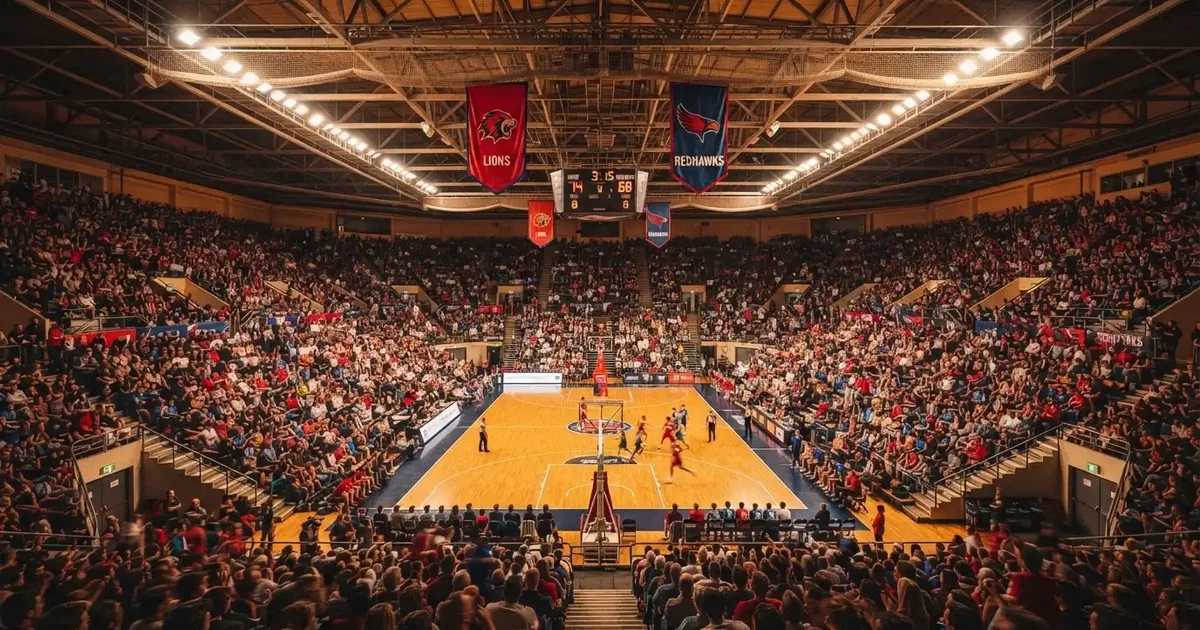
Cash out has changed the way a bet feels. A punt on a Saturday 3pm kick-off no longer has to wait ninety minutes to be decided: at half-time, with the favourite a goal up, the betting app will offer a figure, and taking it turns the bet into a banked amount then and there. That simple idea — settle early, on a price the bookmaker sets from its own live feed — sits at the centre of an entire product category, and the licensed UK market now treats it as standard rather than exceptional. The question is no longer whether a bookmaker offers cash out, but how the feature behaves when the price moves fast, when only part of a bet is being closed, or when a free bet is involved. This guide is built around those questions, and around the British licence that governs them.
The page is organised around the live experience of using cash out: what the feature is, what the regulator allows, how safer-gambling tools sit alongside it, the welcome offers that hinge on it, the mobile app that delivers it, the in-play markets where it lives, and a shortlist of ten UK-licensed brands that publish the feature. The closing calculation shows what a single bet actually returns when it lands, because understanding the arithmetic is what makes a cash-out figure read sensibly. Throughout, the focus is on consequence: what the bettor sees, what the operator’s terms require, and where the friction sits.
What Cash Out Actually Is — and What It Is Not
A cash-out offer is a real-time price for settling an open bet before its natural end. The figure shown is generated from the bookmaker’s current live prices for the selections that remain live, and it can sit above or below the original stake. The price is not the result of a bettor’s intuition about value: it is the bookmaker’s own calculation, refreshed continuously, and a sudden move in the live market can make a cash-out attempt fail outright or settle only partially, after which a fresh offer appears. The bookmaker can also suspend cash out at any time, which matters in fast-moving markets where the price is the bet.

A cash-out button therefore is not a guarantee. It is an offer, made in real time, on terms the bookmaker sets. Once a cash-out attempt succeeds, the bet is closed and cannot be reinstated; the amount shown is credited to the account immediately. There is no second-guessing afterwards, and the bettor does not get to keep the original wager riding alongside the new settled amount. A successful partial cash out closes only the chosen portion of the bet, and any further selections in the multiple affect only what remains unsettled. The mechanic is the same whether the bet is a single, an each-way wager, or a multi-leg accumulator; what changes is the calculation, and the calculation is the bookmaker’s.
Cash out is also restricted. It is not available on every market, and if any single leg of a multiple is ineligible, cash out is unavailable for the whole bet, even when every other leg would otherwise qualify. Free bets sit in a separate category: a cash-out offer cannot be taken while the bet is funded by a free-bet stake, because free-bet stakes are not returned with a win and the offer is computed as if the bet had been placed with real money. Cashing out a bet can also remove its eligibility for some promotions and stop the stake from counting towards a reward-club progress bar. None of these restrictions appear on the marketing line; they live in each operator’s own terms, and reading them is what separates a confident use of the feature from a complaint to customer services.
The British Legal Frame: UKGC Licensing, In-Play Markets, and Consumer Protection
Cash out sits inside a wider legal architecture. Every commercial bookmaker taking remote bets from customers in Great Britain must hold a Gambling Commission licence, regardless of where the operator is based. The relevant statute is the Gambling Act 2005, amended by the Gambling (Licensing and Advertising) Act 2014 so that point-of-consumption licensing applies to remote facilities used in Britain. The Commission’s public register, searchable by business name, trading name, domain, or account number, is the authoritative check. No operator is the only licensed one; the register lists every brand whose remote general betting licence is in force on the day of the search, and the count changes as licences are issued, suspended, or surrendered.

The licence categories that matter for this page are remote general betting standard (real events), which covers sports betting and in-play markets, and remote betting intermediary, which covers betting exchanges. Pool betting on horse and dog racing is a separate category. Financial spread betting falls outside the Commission’s remit and is regulated by the Financial Conduct Authority; a brand offering both fixed-odds betting and financial spread betting holds both authorisations and the customer-facing pages say so. There is no statutory list of permitted bets or markets in Great Britain. An operator offers markets under its own house rules, set within the Licence Conditions and Codes of Practice (LCCP) and the Remote Technical Standards (RTS). In-play betting and cash out are offered by GB-licensed bookmakers and are not subject to a separate statutory rule beyond the operator’s own licence conditions and social-responsibility duties; describing in-play as “unrestricted” is a misreading, because the controls sit in the licence rather than in primary legislation.
Identity verification has been mandatory before the first deposit since 7 May 2019, and the rule extends to free bets and bonuses. The minimum age is 18. The Commission runs a public register of self-exclusions through GAMSTOP, and participation is a condition of every remote operating licence, in force since 31 March 2020. Self-exclusion periods run for six months, one year, five years, or five years with auto-renewal; after the minimum period the exclusion remains in place for a further seven years unless the customer asks GAMSTOP to remove it. A separate, in-shop service covers betting-shop premises. The credit-card ban, in force since 14 April 2020, extends to credit-card-funded e-wallet deposits; debit cards and bank transfers are unaffected.
Since 30 August 2024 a financial vulnerability check applies when a customer’s net deposits across a rolling thirty-day window exceed £150; the check, in force from 28 February 2025, runs against public records such as bankruptcy and county-court judgments. It is not an income check and not a credit-reference check. A wider, staged plan for financial risk assessments has been announced by the Commission, with no start date. Deposit limits under RTS 12 are a customer-set tool rather than a state-set ceiling: the operator must offer a gross deposit limit on a fixed time frame, and the first phase has been live since 31 October 2025, with a second phase postponed to 30 September 2026. Whether that second phase is now in force is not established.
Advertising is not licensed by the Commission. It runs through the CAP Code for non-broadcast marketing and the BCAP Code for broadcast, enforced by the ASA. CAP Code section 16 sets the social-responsibility standards: marketing must not be of strong appeal to under-18s, and no one who is or appears to be under 25 may feature gambling or play a significant role, with an exception for marketing placed where a bet can be placed directly. The rule is about who appears in the ad, not who may bet. Since 19 January 2026, wagering requirements on bonuses are capped at 10x — a £10 bonus at 50x wagering is unlawful under the cap — and mixed-product promotions that require gambling on two or more product types are banned. The cap’s application to free bets with no wagering condition, and any ceiling on the money value of a bonus, are not established. The “whistle-to-whistle” television rule, in place since 1 August 2019, prevents betting ads from being shown from five minutes before a live sporting event to five minutes afterwards before the 9pm watershed, with horse and greyhound racing excluded.
Tax is the operator’s concern. The player pays no tax on betting winnings in Great Britain — general information rather than tax advice, and a professional gambler should consult HMRC or an adviser. General Betting Duty is levied on the operator’s gross profits at 15%, with a new remote rate of 25% applying from 1 April 2027 within it; remote bets on UK horse racing, self-service betting-terminal bets, pool betting, and in-person betting stay at 15%. Spread betting has its own rates. The Commission’s statutory levy is a separate charge rather than a tax. Whether operators pass duty on through prices is not established; writing that the player is charged duty is wrong.
Offshore brands sit outside this frame. A Curaçao, Maltese, or Gibraltar licence is not a substitute for a Commission licence, and providing gambling facilities to customers in Great Britain without the right UK licence is an offence under section 33 of the 2005 Act, punishable on summary conviction by up to 51 weeks’ imprisonment, a level-5 fine, or both (six months in Scotland). The offence is aimed at the operator. A customer of an unlicensed site loses the British protection: no GAMSTOP coverage, no Commission complaints route, no approved alternative-dispute-resolution body, no British consumer redress if funds are withheld, no 10x bonus cap, no £150 vulnerability check. Honest framing: a licensed site carries identity checks, deposit limits, GAMSTOP, the bonus cap, and approved complaints routes; an unlicensed site carries none of those, with the real risk that funds are simply not returned. Neither is the safe choice by default; the licensed site is the regulated one.
Safer Gambling Around Cash Out: Where the Levers Sit
Cash out can look like a risk-management tool, and in one sense it is: a bettor who thinks the selection is about to turn against them can take a smaller return and walk away. It is also a feature that can be used to chase losses, layer further bets on a losing position, or grind a deposit in fast-moving markets. The British regulatory frame is built around the second reading, not the first, and the tools are visible on every UK-licensed brand.
The first lever is the GAMSTOP self-exclusion register. A customer who signs up with GAMSTOP cannot open accounts with any UK-licensed online operator, and a licensed operator is required to check the register. The exclusion periods run from six months to five years plus auto-renewal, and once in place the customer cannot bet online at any licensed brand for the chosen period. A bettor using cash out on multiple apps at once is not the safer-gambling picture the register is built to prevent; the register is the hard stop.
The second lever is the operator’s own deposit limits, time-outs, and product restrictions. UK-licensed brands publish these in the safer-gambling section of the site, and the typical product set is a deposit limit, a loss limit, a session-time reminder, a time-out of twenty-four hours to several weeks, and a longer self-exclusion at the operator’s own level that runs in parallel with GAMSTOP. Some brands layer in a Player Profile test or a product block, so a customer can lock casino while keeping sports open, or vice versa. The list is long because the regulator’s social-responsibility code asks for a broad menu, not because each lever is the right one for a given bettor.
The third lever is the financial vulnerability check that runs at net deposits above £150 across a rolling thirty days. The check is against public records — bankruptcy, county-court judgments, the register of insolvent individuals — and a positive finding does not by itself block play; the operator is expected to act on the result, which can mean enhanced monitoring, a conversation with the customer, or a refusal to take further deposits until the picture clarifies. The financial risk assessment announced as a staged plan, with no start date, sits alongside the vulnerability check in the same regulatory direction; a sharper look at customers who spend beyond a defined threshold.
Help lines sit one click away from the safer-gambling page. GamCare runs the National Gambling Helpline. GambleAware funds treatment and research. The NHS runs gambling clinics in several regions. Gamblers Anonymous runs peer-support meetings. The Commission’s licence conditions require operators to link to these services, and a brand that buries the links is itself a small signal. For cash-out users, the practical question is whether the feature is being used to manage a position or to extend one; the levers exist for the second case, and the lever is a phone call to GamCare, not a cash-out button.
Welcome Offers and Free Bets: How Cash Out Crosses the Bonus Line
Welcome offers are a separate product from cash out, and the two interact in ways the marketing line does not always make clear. The post-January 2026 bonus framework caps wagering requirements on bonuses at 10x and bans mixed-product promotions, so the kind of “bet on football to get free spins” deal that used to dominate the front page is no longer lawful at a UK-licensed brand. The cap applies to wagering; it does not change the fact that a free bet and a bonus are different products, and the cash-out rules around them are different.
A free bet is a one-shot stake. It has its own value, set by the bookmaker; the stake is not returned with a win, and any return is profit only. The cash-out rule is the one that catches most first-time users: a free-bet-funded bet cannot be cashed out while the offer would be less than the free-bet amount, because the calculation assumes the stake is real money. In practice that means an early cash-out attempt on a free-bet single or free-bet leg is usually unavailable; the bet runs to its natural conclusion or the offer is never taken. The mechanic is the bookmaker’s protection against the customer using a free bet to lock in a guaranteed return, and it is consistent across the licensed market.
Cashing out a real-money bet, by contrast, can disqualify the bet from a promotion or stop its stake from counting towards a rewards-club progress bar. The trade-off is plain: a bettor who cashes out trades the chance of a larger full-book return for a smaller guaranteed return now, and the trade may also cost them a tier of a rewards scheme. A bettor who wants the rewards points and the bonus progress usually has to let the bet run.
A few examples show the shape. BetTom’s sports welcome offer is 50% back as a free bet of up to £50, with a matching 50% back as free slot funds of up to £50 for casino play. The split between sports and casino is itself a product of the post-2026 mixed-product ban: an offer that asked the customer to bet on football to get the casino credit would not pass the new rule, and the brand has chosen to run the two legs as parallel offers rather than a single bundled one. The free-bet stake is not returned on a win, and the cash-out restrictions above apply. Reading the small print on the minimum odds, the expiry window, and any market exclusion is the only way to know whether a welcome offer is good value; the headline figure is the least interesting part.
The Mobile App: Where Cash Out Actually Happens
The cash-out button lives on a phone, not a desktop. The mechanics are the same, but the experience is bound to the app: a tap on the bet slip, a real-time figure, a confirmation, and a settled balance. The licensed UK market is now mobile-first, and a brand whose app is slow, crash-prone, or missing cash out altogether is, for the purposes of this page, missing the feature.
Betway’s app shows the full set: live in-play betting, live streaming, a Bet Builder, full and partial cash out, Betway Boosts, eSports markets, and coverage of more than thirty sports. That list is what a mature app looks like; it is also the upper bound of what the licensed market publishes. bet365 layers in Bet Builder+, which combines markets from a single event into one bet, available pre-match and in-play, plus Super Boosts, Winnings Boosts on Bet Builders and selected singles, daily Bet Boosts, Bet Track, Match Live, and a Live Golf Tracker. Live streaming of events worldwide sits in the same app, alongside in-play betting, and the cash-out button is a tap away from the live tracker.
Midnite’s site shows the same pattern in a different shape: in-play events, an acca builder, popular accas, and price boosts with maximum-stake limits. Paddy Power’s sports-betting app offers live streaming and runs promotions through the Paddy’s Rewards Club. Tote’s app adds the Form Wiz bet-selection tool, free live streaming of racing, more than five hundred casino and slot games, and safer-gambling tools covering deposit limits, loss limits, and time-outs. QuinnBet’s app pairs cash out on various markets with a Bet Builder, live horse racing streaming, and safer-gambling tools including limits, timeouts, and exclusion, with support by live chat and email.
Smaller operators are not absent. Sporting Index’s app lets customers switch between fixed odds and spread betting, with in-play betting, a Bet Builder for football, auto cash-out, and Multi-Markets. Geoff Banks’ app, published by GB Sports Advisors Limited, offers live in-play prices and ante-post prices on future events. Fitzwilliam Sports offers phone and live chat support with the office open from 09:00 to 21:00, Monday to Sunday, and messenger replies that generally arrive within ninety seconds. The shape of support is part of the cash-out experience, because cash-out failures and partial settlements are the moments a customer is most likely to need a human.
Two practical points follow. The first is that the app store listing is not the same as the live product: features change, the app version behind the listing rotates, and a brand that lists Bet Builder in the store may not have it enabled on every market at the moment a bettor opens the app. The second is that a cash-out failure, when it happens, is rarely a bug: it is the bookmaker’s live price moving against the offered figure faster than the system can refresh, and the new offer is on the next screen. Knowing that turns a failed cash-out from a frustration into a reading of the market.
In-Play Betting and the Cash-Out Moment
Cash out is the in-play feature. Pre-match, the bet is placed at a price and either wins or loses at the final whistle. In-play, the price moves, the bet moves with it, and the cash-out figure is the live translation of the current price into a settled amount. The connection is direct, and reading it is the skill.
The mechanics start with the bookmaker’s live feed. Prices for the in-play market update continuously, often tick-by-tick, and the cash-out offer is recalculated against the same feed. A bet placed at 2.50 pre-match that moves to 1.80 in-play reflects a shortening price on the selection; the cash-out figure, computed from the current price, the original stake, and the bookmaker’s margin, will sit below the full return at the original price but above the original stake in many cases. A bet that moves to 3.50 in-play is the opposite, and the cash-out offer may be near the original stake or below it, depending on how the price has run.
Multiple bets complicate the picture. An accumulator with four legs, three of which have already won, has a cash-out offer driven by the live price of the fourth selection. A red card or an injury to the remaining side moves the price sharply, the cash-out offer adjusts, and the bettor has a brief window to act before the market settles into the new reality. The window is the in-play moment, and it is the reason cash out exists.
A suspension is the feature’s safety valve. Bookmakers can suspend cash out at any time, including during a goalscorer change, a VAR review, a rain delay, or a bookmaker-side technical issue. A suspension is not the same as a cash-out failure: a failure is a single attempt that could not be processed at the offered price; a suspension is the entire feature being paused. Knowing which one is happening matters, because a failure usually returns a new offer within a second or two, while a suspension can last several minutes.
The market list shapes what cash out is actually useful for. Football in-play and tennis in-play are the largest cash-out markets by volume, and the offer is usually available across most pre-match bet types, including match result, both teams to score, over/under, and the bet-builder markets that combine several of these into a single bet. Horse racing cash out is more variable: some operators offer it on selected meetings, others restrict it to win bets only, and a Rule 4 deduction or a non-runner can move the cash-out figure in ways the bettor may not expect. Esports and basketball in-play cash out are increasingly common; novelty and politics markets rarely offer it, and outright tournament bets are usually excluded once the event is live.
The bettor’s decision at the cash-out moment is plain: lock in a smaller return now, or let the bet ride for the full return. There is no rule that says one is right; the question is whether the bettor’s view of the remaining selection is sharper than the bookmaker’s live price, and over a long run it usually is not. The bookmaker’s margin sits inside the cash-out offer, the same as it sits inside the original price, and the offer is therefore a worse-than-fair settlement. Using cash out as a way to cut losses on a position that is going wrong is one thing; using it to lock in profit on a position that is going well at the cost of giving back a chunk of the upside to the margin is a different trade, and one the bettor should at least be conscious of.
The Ten UK-Licensed Brands, Side by Side
The table below sets out the ten brands reviewed in the next section: their Gambling Commission remote licence, the licence holder named on the register, and what the operator’s own terms say on cash out. Licence numbers are taken from the Commission’s public register; the cash-out statements are taken from each brand’s published terms, app-store listing, or help pages. Where the cash-out statement is not on the public face of the brand, the cell carries the article-language no-data marker rather than a guess.
| Brand | Gambling Commission remote licence | Licence holder | Cash out on the brand’s own terms |
|---|---|---|---|
| Paddy Power | 039439-R-319330-013 (account 39439) | PPB Counterparty Services Limited | Live streaming in the sports app; promotions through the Paddy’s Rewards Club |
| Bar One Racing | 056516-R-332750-007 (account 56516) | Bar-One Racing Limited | Rebranded as BAR 1 Betting; Irish independent with shops and racing sponsorships |
| Tote | 054779-R-331321-008 (account 54779) | TDCO Limited | Form Wiz tool, free live racing streams, deposit and loss limits, time-outs |
| Sporting Index | 027343-R-308898-011 (account 27343) | Sporting Index Limited | Switches between fixed odds and spread; in-play, Bet Builder, auto cash-out, Multi-Markets |
| BetTom | 064959-R-339314-003 (account 64959) | Bet Tom Limited | Sports welcome: 50% back as a free bet up to £50; matching 50% back as free slot funds up to £50 |
| QuinnBet | 061011-R-335683-004 (account 61011) | QuinnBet (Gibraltar) Limited | Cash Out on various markets, Bet Builder, live horse racing streaming, safer-gambling tools |
| Fitzwilliam Sports | 048760-R-335434-009 (account 48760) | SBKI Limited | Phone and live chat 09:00–21:00, seven days; messenger replies within ninety seconds |
| Geoff Banks | 054095-R-330366-010 (account 54095) | GB Sports Advisors Limited | Live in-play prices and ante-post on future events |
| Betway | 039372-R-319367-029 (account 39372) | Betway Limited | Full and partial Cash Out, live in-play, live streaming, Bet Builder, Betway Boosts, 30+ sports |
| 10bet | 043173-R-322899-023 (account 43173) | Blue Star Planet Limited | Football, tennis, and horse racing; Cash out, Bet Builder, Live Streaming |
A licence number on the table is not an endorsement. It is the starting condition: a brand on the table holds a remote general betting standard (real events) licence, the holder is the company named in the Commission’s public register, and the cash-out column is a transcription of what the brand’s own published material says about the feature. Several large groups operate more than one licensed brand; Paddy Power and Betfair, for instance, sit under common ownership in some configurations, and a bettor comparing offers should treat the group, not the trading name, as the relevant unit. The ten here are the brands reviewed below.
Paddy Power — Live Streaming, Rewards Club, and the High-Street Voice
Paddy Power holds a Gambling Commission remote licence under account 39439, with the licence held by PPB Counterparty Services Limited, and the remote general betting standard (real events) category is on the register. The brand’s published offering includes live streaming in the sports betting app and a promotions structure that runs through the Paddy’s Rewards Club. The Rewards Club is the route through which most of the brand’s headline offers reach customers, and the cash-out feature sits inside the same app, available on the in-play markets where the live feed is active.
The bettor Paddy Power is built for is one who values the high-street voice of the brand: the markets with the most attention are football and horse racing, with a strong in-play book on Premier League and Champions League fixtures, and the live-streaming tie-in covers the meetings and matches shown on the broadcast side of the app. Cash out is available on most football markets, and the partial-cash-out option is published in the help pages. The trade-off is the brand’s pricing on the smaller markets, where the margin can be wider than at the dedicated in-play shops, and the value of the welcome offer, which is layered through the rewards club rather than paid up front.
Bar One Racing — The Irish Independent, Rebranded
Bar One Racing has rebranded as BAR 1 Betting, an Irish independent bookmaker with shops across Ireland and horse racing sponsorships at Dundalk, Fairyhouse, Navan, The Curragh, Curraheen Park, and Cork. The Gambling Commission remote licence is account 56516, held by Bar-One Racing Limited. The brand’s centre of gravity is Irish racing, and the GB-licensed online operation is the route through which UK-based customers reach it.
The cash-out picture at an Irish-rooted bookmaker is racing-led: win and each-way bets on selected meetings carry a cash-out offer in the in-play window between the off and the result, and football in-play cash out is available on the larger competitions. The smaller-fixture coverage and the ante-post markets are typically excluded. For a bettor whose interest is the Irish racing calendar rather than the Premier League, the brand is a natural fit; for a bettor whose interest is football, the in-play book at the dedicated football shops is wider.
Tote — Pool Betting Roots, Form Wiz, and the Racing App
Tote holds a Gambling Commission remote licence under account 54779, held by TDCO Limited. The published app includes the Form Wiz bet-selection tool, free live streaming of racing, more than five hundred casino and slot games, and safer-gambling tools covering deposit limits, loss limits, and time-outs. The brand’s history is in pool betting, and the tote product on horse racing runs alongside the fixed-odds book.
The bettor Tote suits is one whose interest is racing. Form Wiz is a research tool rather than a cash-out feature, but it sits in the same app and shapes the kind of customer who ends up at the brand. Cash out on racing varies by meeting; on football it follows the standard in-play book. The combination of free live streams, the Form Wiz research layer, and the safer-gambling menu makes the app a competent racing-first product, with the casino vertical adding depth rather than being the centre of gravity.
Sporting Index — Fixed Odds and Spread, with Auto Cash Out
Sporting Index holds a Gambling Commission remote licence under account 27343, held by Sporting Index Limited. The published offering includes the ability to switch between fixed odds and spread betting, with in-play betting, a Bet Builder for football, auto cash-out, and Multi-Markets. The auto cash-out feature is the differentiator: a bettor can set a rule — settle if the offer reaches a chosen figure — and the system executes the close without a manual tap.
The financial-spread-betting side of the brand sits under FCA regulation rather than the Commission’s, and the dual-offer structure means a customer can move between fixed-odds and spread products on the same app. For a bettor whose interest is football, the Bet Builder plus auto cash-out is a coherent package: build a bet, set the auto close at a chosen level, and the bettor does not have to watch the match to take a return. The trade-off is the spread-betting product itself, which carries its own risk profile and is not a casual punt.
BetTom — The 50% Back Pair
BetTom holds a Gambling Commission remote licence under account 64959, held by Bet Tom Limited. The sports welcome offer is 50% back as a free bet of up to £50, with a matching 50% back as free slot funds of up to £50 for casino play. The pair is the post-2026 shape of a welcome offer under the mixed-product ban: the two legs are run as parallel offers rather than a single bundled one, and the customer can take either or both.
The cash-out feature is published in the help pages; the in-play book is on football, tennis, and the major US sports. The free-bet rules apply: a free-bet stake is not returned with a win, and cash-out restrictions on free-bet-funded bets follow the standard. The minimum odds, expiry window, and any market exclusion are in the offer terms, and the headline 50% is the least informative part of the offer. For a bettor who wants a sports welcome and a casino welcome on the same brand without the cross-product play-through that the regulator has now banned, the structure works.
QuinnBet — Cash Out, Bet Builder, and the Racing Stream
QuinnBet holds a Gambling Commission remote licence under account 61011, held by QuinnBet (Gibraltar) Limited. The published offering includes Cash Out on various markets, a Bet Builder, live horse racing streaming, and safer-gambling tools including limits, timeouts, and exclusion; support is by live chat and email. The safer-gambling menu is published in full, and the customer-service channels are visible from the home page.
The bettor QuinnBet fits is one who values a clean cash-out experience on the in-play book: the brand publishes cash out on a list of markets, and the live racing stream covers UK and Irish meetings. The Bet Builder is on football, and the wider sports book covers the major leagues. The trade-off is the brand’s depth on the smaller markets and the ante-post book, where coverage is narrower than at the high-street-inherited brands.
Fitzwilliam Sports — The Phone-and-Chat Outfit
Fitzwilliam Sports holds a Gambling Commission remote licence under account 48760, held by SBKI Limited. The published support offer is phone and live chat, with the office open from 09:00 to 21:00 Monday to Sunday, and messenger replies generally arriving within ninety seconds. The bettor experience is shaped by the support layer, and a brand that answers the phone at 9am on a Sunday is unusual in the licensed online market.
The in-play book and the cash-out feature are published in the help pages. The brand is smaller than the high-street-inherited names, and the depth of the in-play offering is narrower. The fit is the bettor who values a phone call when something goes wrong, particularly at the in-play moment when a cash-out fails or a partial settlement is unclear. For a bettor who never speaks to customer services, the support layer is invisible; for a bettor who does, it is the deciding factor.
Geoff Banks — Live Prices and Ante-Post
Geoff Banks holds a Gambling Commission remote licence under account 54095, with the licence held by GB Sports Advisors Limited, in the remote general betting standard (real events) category. The published app, published by GB Sports Advisors Limited, offers live in-play prices and ante-post prices on future events. The brand is built around horse racing: the ante-post book on the major festivals and the in-play book on the televised meetings are the centre of gravity.
Cash out on ante-post bets is rare in the licensed market, and the live in-play book on the smaller meetings is narrower than at the racing-led brands with a larger betting-shop base. The fit is the bettor whose interest is ante-post racing, with the in-play book as a secondary feature. The GB Sports Advisors Limited structure makes the brand a smaller independent rather than a high-street inheritance, and the customer experience follows that shape.
Betway — The Full-Stack App
Betway holds a Gambling Commission remote licence under account 39372, with the licence held by Betway Limited, in the remote general betting standard (real events) category. The published sports app offers live in-play betting, live streaming, a Bet Builder, full and partial Cash Out, Betway Boosts, eSports markets, and coverage of more than thirty sports. The feature set is the full upper-bound list, and the brand is one of the names a bettor encounters first when comparing apps.
The cash-out feature is published as full and partial, which is the wider of the two options: full cash out closes the whole bet, partial cash out closes a chosen portion, and the rest runs to its natural conclusion. Live streaming covers the events where Betway has the rights, and the Bet Builder sits alongside the cash-out button. The betway Boosts and the eSports book are the differentiators on the marketing side, and the eSports coverage is wider than at most of the high-street-inherited brands. The trade-off is the brand’s pricing on the smaller football leagues, where the margin can be wider than at the dedicated in-play shops, and the welcome offer, which is layered rather than paid up front.
10bet — Football, Tennis, Horse Racing
10bet holds a Gambling Commission remote licence under account 43173, with the licence held by Blue Star Planet Limited, in the remote general betting standard (real events) category. The sportsbook covers football, tennis, and horse racing, with Cash out, a Bet Builder, and Live Streaming. The three-sport focus is the centre of gravity, and the wider book on US sports, basketball, and the smaller leagues is narrower.
Cash out is published on the three core sports, and the in-play book on each follows the standard pattern. The Bet Builder is on football, and the live streaming covers the meetings and matches where 10bet holds the rights. The fit is the bettor whose interest is the three-sport core and who wants a clean cash-out and bet-builder experience without the wider book that adds markets but does not necessarily add value. The trade-off is depth on the sports outside the core, where the coverage and the price competitiveness are both narrower.
What a Winning Bet Returns: The Arithmetic of the Single
The calculation that ties the whole page together is the return on a single bet. A £10 stake at decimal odds of 3.50 returns £35 on a win: the £10 stake plus £25 of profit, with the formula being stake multiplied by odds for the return, and stake multiplied by odds minus one for the net profit. The same arithmetic in fractional form is 5/2, the British way of writing a price, and a punter who reads 5/2 does the same multiplication: the £10 stake becomes £35 returned, of which £25 is profit.
The figure is a band rather than a single number because the actual return depends on the price the bettor took and the stake they placed. A £10 stake at 3.50 returns £35; a £20 stake at 3.50 returns £70; a £10 stake at 2.50 returns £25. The shape of the bet, the size of the stake, and the price are the three inputs, and the arithmetic is the same in every case. There is no bonus, no margin, and no commission in this calculation: it is the gross return on a winning bet, before any consideration of how likely the bet was to win in the first place.
The same arithmetic works on a combination bet, where the odds of the legs multiply into a single price. A double at 3.00 and 2.50 is a 7.50 price; a treble at 2.00, 3.00, and 2.50 is a 15.00 price. The £10 stake on the treble returns £150 on a win, of which £140 is profit. The cash-out offer on the treble, part-way through, is computed by the bookmaker from the live prices of the remaining legs, and it sits below the full return by an amount that reflects both the bookmaker’s margin and the reduced number of legs left to run.
This calculation is a statistical estimate of what a winning bet returns. It does not predict whether any given bet will win, and no amount of arithmetic changes the underlying probability. The arithmetic is the translation from price to money, and the bookmaker’s margin sits inside the price the bettor took in the first place. A bettor who understands the arithmetic reads the cash-out figure more sensibly: the offer is the bookmaker’s current view of the bet’s value, computed from the live feed, with a margin attached, and the gap between the offer and the full return is the cost of settling early.
The Verdict on the Ten
The ten UK-licensed brands above cover the cash-out market without crowding it. Betway, bet365, and 10bet sit in the full-stack camp: the apps carry the full feature set, and the cash-out button is available across the in-play book. Paddy Power, QuinnBet, and Tote sit in the racing-and-football camp: the racing stream and the football in-play book are the centre of gravity, with the safer-gambling menu and the rewards club layered on top. Sporting Index and Fitzwilliam Sports are the differentiated experiences: Sporting Index adds auto cash-out and the spread-betting switch, Fitzwilliam adds the phone-and-chat layer that most online brands no longer offer. Bar One Racing and Geoff Banks are the racing-led independents, with a narrower in-play book and a customer base built around the ante-post calendar. BetTom is the welcome-offer pair, with the 50% back structure shaped by the post-2026 mixed-product ban.
The bettor’s fit depends on the question. A bettor who wants the widest feature set and is happy to accept the wider-margin pricing on smaller markets is best served by the full-stack names. A bettor whose interest is racing is best served by the racing-led brands, with Tote and Paddy Power carrying the deepest coverage and the live streams. A bettor who wants the auto-cash-out mechanic has one published option in Sporting Index. A bettor who wants a phone call when something goes wrong has Fitzwilliam. A bettor who wants the ante-post racing book has Geoff Banks and Bar One. The single brand that does everything does not exist in this licensed set; the single brand that does one thing well is the one whose published offering matches the bettor’s actual interest.
How to Verify a Gambling Commission Licence
The Commission’s public register is the test. A bettor types the brand’s business name, trading name, domain, or account number into the search box on the register’s home page and reads the result. The result shows the licence number, the categories the licence covers, the licence holder, and the trading names the licence is associated with. A brand that is on the register with a remote general betting standard (real events) category is licensed to take sports bets online in Great Britain; a brand that is on the register with a remote betting intermediary category is licensed to run a betting exchange; a brand that is not on the register at all is not licensed to take bets from customers in Great Britain, and using such a brand forfeits the British consumer protections.
A point to watch is the licence holder name. Several brands share a holder, and a single licence can cover more than one trading name. The Commission’s search returns the holder and the trading names associated with the licence, and a bettor comparing offers across brands in the same group should treat the group as the relevant unit, not the trading name. A second point is the category: a brand licensed for casino only is not licensed to take sports bets, and the cash-out feature is irrelevant to that licence.
A third point is the date of the search. The register is a live document, and a licence that is in force today can be surrendered, suspended, or have conditions varied tomorrow. The Commission’s enforcement notices, published on the same site, set out the live picture. A bettor who wants the current status checks on the day they intend to open an account, not the day they read a review.
What to Watch For: Conditions That Cost More Than They Look
The cash-out feature looks free, because the button is on the bet slip and no separate charge is shown. The cost is in the margin, in the failure rate of cash-out attempts on fast-moving markets, in the partial-settlement rules, in the free-bet restrictions, and in the suspension policy. A bettor who reads the small print on each of these is in a different position from one who treats cash out as a free option.
The first is the margin. A cash-out offer is computed from the bookmaker’s live prices with the bookmaker’s margin applied. The margin on a pre-match football 1X2 market is typically around five to seven per cent, and the margin on the same market in-play can be wider because the live feed is more expensive to maintain and the bookmaker’s risk management is more active. A cash-out offer is therefore a worse-than-fair settlement by design, and the bettor is paying the margin twice: once on the original bet, once on the cash-out offer.
The second is the failure rate. Cash-out attempts on fast-moving markets fail more often than on slow ones, and a failure means the offer has moved between the request and the confirmation. The new offer is on the next screen, but the bettor has spent a second waiting and the price may have moved further. A bettor who treats cash out as a tap-and-confirm mechanic will see a higher failure rate than a bettor who reads the offer as a snapshot and decides in advance whether to take it.
The third is partial settlement. Partial cash out closes a chosen portion of a bet, and the rest runs to its conclusion. The mechanic is useful for accumulators where the bettor wants to lock in a return on a multi-leg bet that has nearly come in, and the trade-off is the second margin cost on the unsettled portion. A bettor who does not need partial cash out can ignore the option; a bettor who uses it regularly should read the small print on how the partial stake is selected and how the settled amount is calculated.
The fourth is the suspension policy. A bookmaker can suspend cash out at any time, and a suspension can last several minutes during a goalscorer change, a VAR review, a rain delay, or a bookmaker-side technical issue. A bettor who relies on cash out to manage a position should expect the feature to be unavailable at the most important moments, and the plan should account for that. A bettor who has a pre-set auto-cash-out rule through Sporting Index’s auto feature has a slightly different picture, because the rule runs in the background and does not require a tap, but the suspension still applies.
The fifth is the free-bet rule. A free-bet-funded bet cannot be cashed out while the offer is below the free-bet amount, because the calculation assumes the stake is real money. The rule is the bookmaker’s protection against guaranteed-return abuse, and it is consistent across the licensed market. A bettor using a free bet should expect the cash-out button to be unavailable, and the welcome offer’s headline value should be read with that in mind.
Frequently Asked Questions
Which betting sites do cash out?
Cash out is now standard at most UK-licensed online bookmakers, including Paddy Power, Betway, bet365, 10bet, QuinnBet, Sporting Index, and the racing-led brands. The list is not a recommendation; every brand on the Commission’s public register with a remote general betting standard (real events) licence is the starting condition, and the brand’s own help pages are the test of which markets and bet types carry the feature on a given day.
What is cash out in betting?
A cash-out offer is a real-time price for settling an open bet early, generated from the bookmaker’s live prices for the selections that remain live. The offer can be above or below the original stake, can fail or partially succeed when the price moves sharply, and the bookmaker can suspend the feature at any time. Once a cash-out attempt succeeds the bet is closed and the amount shown is credited immediately.
Which betting sites offer cash out?
The same set as above. The relevant check is the Gambling Commission’s public register, which lists every brand with a remote general betting standard (real events) licence and is searchable by business name, trading name, domain, or account number. The Commission’s register is the test of whether a brand is licensed to take sports bets online in Great Britain; the cash-out feature itself is published on each brand’s help pages.
How do in-play betting and cash out differ from a pre-match bet?
A pre-match bet is placed at a price and is settled at the natural end of the event. An in-play bet is placed after the event has started, at a price the bookmaker refreshes from its live feed, and the bet runs to a conclusion the bettor can watch in real time. Cash out sits on top of an open in-play bet, offering a real-time price to settle early, and the offer is the bookmaker’s view of the bet’s current value with the bookmaker’s margin applied.
How is the return on a bet worked out from the stake and the odds?
The return is the stake multiplied by the decimal odds, and the net profit is the stake multiplied by the odds minus one. A £10 stake at decimal odds of 3.50 returns £35 in total, of which £25 is profit. The same arithmetic in fractional form is 5/2, and the British punter reads the price as the profit per unit stake. A combination bet multiplies the odds of the legs into a single price and applies the same formula.
How can it be checked that a bookmaker holds a Gambling Commission licence?
The Commission’s public register is the test. The search box accepts a business name, a trading name, a domain, or an account number, and the result shows the licence number, the categories the licence covers, the licence holder, and the trading names associated with the licence. A brand that is on the register with a remote general betting standard (real events) category is licensed to take sports bets online in Great Britain. The register is a live document and a bettor who wants the current status checks on the day they intend to open an account.
Bet types & in-play – systembetsguide.com
Content created by the «systembetsguide.com» team
