
Cycling betting odds in 2026: what the price tells you, what the margin takes, and where licenced UK bookmakers stand
 Available in US
A cycling betting market looks like a list of numbers and a short list of riders. Behind each price sits a margin — the slice of every pound staked that the bookmaker keeps — and behind the margin sits a licence. Both shape the answer to the question that brings most readers to a page like this: where can a cycling bet actually be placed in Great Britain, and what does the price on offer actually pay when the race is run. This page reads those two pieces together, working from the licenced operators at the top, into what a cycling market is in 2026, into the statute that decides who can take the bet, into the protections that follow from holding a licence, into the races the prices attach to, then into how a margin is read out of two quoted decimals, and closing on the questions that come up first.

Data current as of 30 October 2026, verified against the Gambling Commission’s public register and against each operator’s own published terms.
The ten licenced UK bookmakers reviewed here, and what each one’s terms say on cycling
Ten brands hold a remote licence from the Gambling Commission for general betting on real events, sit on the Commission’s public register, and are reviewed below for what each one’s own terms say about cycling and adjacent product terms. The table below pairs each brand with its Gambling Commission account number, the entity that holds the licence, and the one point each operator’s own terms state that carries through to a cycling customer. The column on operator terms is not a verdict on cycling coverage; it is the published statement from each house that a bettor would check against the betting slip or the terms page before staking.
| Brand | Gambling Commission remote licence number and licence holder | What the operator’s own terms state on the key’s subject |
|---|---|---|
| DragonBet | 64908 — DragonBet Ltd | In-play and Bet Builder are listed features on the app published by DragonBet Ltd; racing and American football sit alongside the core football menu. |
| Fafabet | 57385 — Taichi Tech Limited | Best Odds Guaranteed applies to UK and Irish horse racing win and each-way bets from 9am on race days; cycling is sold as a separate sportsbook line. |
| Betboro | 44181 — Webmedia Development N.V. | The sports welcome offer requires a £10 debit-card deposit and a first qualifying bet of £5 to £25 on three or more legs each at 3/5 (1.60) or above. |
| Matchbook | 39504 — Triplebet Limited | An exchange where customers bet against one another; Bet Builder, multiples, in-play and live streams of racing and greyhounds are published features. |
| Spreadex | 8835 — Spreadex Limited | Fixed-odds and spread betting share one app; spread betting on indices and financial markets is regulated by the FCA, and losses on that side can exceed deposits. |
| DAZN Bet | 48756 — DZBT Limited | Deposits open from £5 by debit card, Apple Pay, Paysafecard, Trustly or Skrill, and from £20 by PayPal, with no processing fees published. |
| Bet Ahoy | 100094 — Bet Ahoy Ltd | The welcome offer is published as £10 in qualifying bets for a £10 stake; the cycling product is a separate line under each sport tab. |
| London Bet | 66162 — Thistle Bet Limited | The app combines sports betting with Pragmatic Play casino slots and live in-play; cycling sits under the sports menu with the other minor sports. |
| 10bet | 43173 — Blue Star Planet Limited | Cash out, Bet Builder and live streaming are listed on the app store description; football, tennis and horse racing are the named headline sports. |
| Hollywoodbets | 53028 — Hollywoodbets International UK Limited | The welcome offer refunds the stake as a free bet up to £30 on a first losing accumulator of three or more legs at 4/1 or above, settled inside seven days. |
The column on the right is the one most readers will use. A cycling line itself is rarely the headline of a UK bookmaker’s terms, so what an operator’s own page says on a related product — fixed odds, the exchange model, the welcome offer, the deposit floor — is the rule that ends up mattering when a cycling bet is settled. The licence column matters for a different reason: it is the entry that lets a customer take a complaint to the Commission or to an alternative dispute-resolution body if funds are withheld. No unprotected route to either is available to an account opened at any brand listed above.
DragonBet — what a small Welsh-rooted book lists
DragonBet is published by DragonBet Ltd and the trading name appears in the Commission’s public register against that same licensee. The app store description names Welsh football and rugby, racing, American football, in-play and bet builder markets. For a cycling customer the consequence is narrow: cycling is a sportsbook line, not a featured sport, and the operator’s distinguishing products sit elsewhere — the Welsh leagues, in-play pricing, and the multi-leg builder. The exchange-style features an exchange offers are not present. A reader who already has an account here for the Welsh football coverage will find a cycling market under that same menu; a reader shopping specifically for cycling would do better to start with the brands that name the sport in their front-of-house marketing. The verdict: a useful supplementary account for a Welsh-football-led bettor, not a first stop for the Tour de France.

Fafabet — Best Odds Guaranteed on racing, cycling separate
Fafabet’s Best Odds Guaranteed policy is published for UK and Irish horse racing win and each-way bets from 9am on race days: if the starting price beats the price the bettor took, the larger number is paid. That rule does not extend to cycling. Cycling lines are quoted by the operator’s own feed and settled at the price on the betting slip; a BOG-style upgrade is not the cycling bettor’s safety net here. The licence sits with Taichi Tech Limited and the Commission’s register carries 57385 against that entity. The welcome offer is published on the betting platform rather than in the app store listing, so it has to be read off the operator’s own page. For a reader who wants BOG on racing and is happy to take the cycling price as printed, Fafabet is a tidy second account; for a reader whose weekend is the Tour rather than the cards, the racing headline is not a cycling headline.
Betboro — a fixed welcome offer written into the small print
Betboro’s sports welcome offer is published in plain numbers: a £10 minimum debit-card deposit, a first qualifying bet between £5 and £25 with three or more selections each at decimal 1.60 or above, and a free bet of the same value on settlement. The structure is conventional. The cycling consequence is that the qualifying bet can ride on cycling lines, provided each leg clears 1.60, and the free bet returned on it sits under the same minimum-price rule. Webmedia Development N.V. holds account 44181 on the Commission’s register, the only corporate line a customer needs when checking. The smaller ceiling on the matched free bet — £25 — is the cap that decides whether the offer is worth taking; for a customer staking more than £25 first time, the upside caps out and the rest of the offer is gone. The verdict: worth claiming the first time at a low qualifying stake, less interesting as a habit.
Matchbook — an exchange, with its own prices
Matchbook is a betting exchange: prices are set by other customers backing and laying, and the operator takes a commission on net winnings rather than a margin baked into every price. The Commission’s register carries Matchbook under a remote betting intermediary licence rather than the standard general betting category, which is the formal recognition of that model. Bet Builder, multiples, in-play and live streaming of horse racing and greyhounds are listed features; cycling streams are not in the list. For a cycling customer the practical difference is the price: an exchange at decimal 7.00 on a breakaway rider is closer to the true price than a bookmaker’s 5.50, because no margin has been loaded into it. The cost is the liquidity — a big race will have a deep enough market to back or lay a favourite; a smaller one-day race may not, and the price on the screen is the price on the screen only when somebody is offering the other side. The verdict: the place to lay a rider, less so the place to find a stream.
Spreadex — two products in one app, two regulators on the same screen
Spreadex runs fixed-odds sports betting under a Commission licence (8835) and spread betting on financial markets under FCA regulation. The two products share one app and one wallet. A cycling customer using the fixed-odds side sees a normal bookmaker price; the cycling feed on the spread side is not the same market — it is a points-spread contract on the rider’s performance, with losses that can exceed the deposit if the spread moves against the position. The published statement on that risk is on the operator’s homepage, and the home page is where a customer opening the spread side first sees it. For a reader who already uses Spreadex for fixed-odds racing, the cycling market is there under the same menu; for a reader drawn in by the spread-betting headline, the cycling line is a fixed-odds product with its own margin, not a spread contract. The verdict: a careful reader’s bookmaker, not a reader’s first spread-betting account.
DAZN Bet — what the deposit floor says about the welcome offer
DAZN Bet sets deposits from £5 by debit card, Apple Pay, Paysafecard, Trustly and Skrill, and from £20 by PayPal. The PayPal floor is double the others, which is the only friction on a small-staking customer. No processing fee is published for either column. DZBT Limited is the licence holder against account 48756. A cycling welcome offer is published in the help centre rather than the app store listing, so the qualifying-bet detail has to be read on the operator’s own terms page. For a bettor who doesn’t use PayPal, the deposit floor is the only practical constraint on staking; for a bettor whose only funding route is PayPal, the £20 floor is the first number on the page that decides whether DAZN Bet is the account for the race.
Bet Ahoy — a £10-for-£10 welcome offer, and a cycling line under each tab
Bet Ahoy’s welcome offer is published as “Bet £10 & Get £10 in Free Bets”, with the £10 made up of a £5 sports single and a £5 acca. The split matters: a customer who lays the £10 on a single can claim the £5 acca only if they also place it, and the acca leg has its own minimum-price rule. The licence holder is Bet Ahoy Ltd against Commission account 100094. Cycling is a separate line under each sport tab, with the published coverage running from WorldTour stage races through Classics to lower-tier road meetings. For a customer whose weekly bet is an each-way single on the Classics, the welcome offer is generous on paper; for a customer whose weekly bet is an accumulator across three or more races, the £5 acca share is the binding part of the headline.
London Bet — sportsbook and casino behind one login
London Bet’s app combines sports betting — football, tennis, horse racing, greyhounds, darts, golf, cricket, NFL, NBA, MLB, snooker — with Pragmatic Play casino slots and live in-play under one login. Thistle Bet Limited holds account 66162. Cycling is a sportsbook line under the same menu, settled on the fixed-odds product. The casino share is not the subject here, but it is the reason the brand appears in mixed-product comparisons: a customer depositing for the sportsbook is also within reach of slots, and a mixed-product promotion covering both is the kind of structure the Commission’s January 2026 promotion rules now restrict. For a reader whose only interest is the cycling line, the casino share is a sidebar; for a reader weighing London Bet against a pure-sportsbook peer, the sidebar is the right reason to look elsewhere if their only sport is road racing.
10bet — Cash out, Bet Builder and live streaming, with football in front
10bet’s app store description names cash out, Bet Builder and live streaming alongside football, tennis and horse racing as the headline sports. Blue Star Planet Limited holds Commission account 43173. Cycling is sold as a separate line and is rarely on the homepage at the start of a WorldTour stage; it lives under the cycling tab and is priced off the standard bookmaker feed. The mechanical features — cash out, bet builder, live streaming of selected football and tennis — do ride over to cycling in-play where the operator publishes a live market. For a customer shopping for live cycling, 10bet is one of the better-equipped houses in the table; for a customer whose cycling bet is always pre-race, those three mechanical features are not the reason to open the account.
Hollywoodbets — a stake-refund welcome offer with the right shape for an acca
Hollywoodbets’ sports welcome offer refunds the stake as a free bet of up to £30 on the first losing accumulator, provided the first wager has three or more legs, an accumulator price of 4/1 or greater, and is settled within seven days. One free bet per customer. Hollywoodbets International UK Limited holds Commission account 53028. The four conditions stack: card deposit of £10 or more, three or more legs, an overall price at 4/1 or above, settlement inside seven days. A cycling acca at 4/1 needs a price that compounds out of three legs — three decimal 1.60 shots ride just past 4/1, three decimal 1.80 shots out to nearly 6/1, and a single stage-race outright sits well above it. The offer suits a cycling customer whose first bet is a three-race acca rather than a single. The verdict: a sharper welcome offer for the right bettor than for the wrong one.
What cycling betting actually is in 2026
Cycling is a road-racing sport with three Grand Tours, a one-day Classic calendar, and a tiered league structure that decides what an event is and which riders turn up to ride it. A cycling bettor reading odds in 2026 is reading prices on races whose governance traces back to 1900, whose top league was reshaped twenty years ago, and whose leading race in 2026 produced a five-time winner in the colours of UAE Team Emirates. The shape of that calendar — three Grand Tours, the one-day Classics, the second-tier stage races — is what decides where prices are quoted deeply and where they are not.
How road cycling is governed, and what governs the betting on it
The UCI — the Union Cycliste Internationale — sits in Switzerland and has governed road cycling since 1900. It runs the men’s and women’s road world championships each year and sets the technical rules that apply to bikes, riders and team licences across the professional calendar. For a betting customer the consequence is the chain through which an event becomes a market: the race is sanctioned by the UCI or a national federation, a feed of riders and start times is published, a bookmaker’s traders set a price on each rider, and a market sits live until the start. The race itself is what produces the result; the rulebook the bookmaker uses to grade bets is its own, separate and shorter than the UCI’s.
Why the WorldTour sits where it does
The UCI WorldTour is the top tier of men’s road cycling. It was created in 2005 as the ProTour, renamed the WorldTour in 2011, and now includes the three Grand Tours and the other major stage races alongside the one-day Classics. A race’s status — WorldTour, ProSeries, or national federation event — is the first number to know before reading a price: a WorldTour event pulls most of the peloton, the field is deeper, and the bookmaker’s market is wider because more riders carry realistic place chances. A lower-tier race narrows the back end of the market, and the price on a long shot reflects the thinness of the field behind the favourites rather than the rider’s true chance.
Grand Tours, jerseys and stage count
The three Grand Tours are the Giro d’Italia (first held in 1909), the Tour de France (1903) and the Vuelta a Espana (1935). UCI rules allow a Grand Tour to run from fifteen to twenty-three days; in practice each of the three currently sits in the low twenties of stages. The leader of the Giro wears a maglia rosa, the leader of the Tour wears yellow, and the leader of the Vuelta wears red — three jerseys that sit on different parts of the cycling calendar and three sets of outright and stage markets that overlap only at the seasons’ edges. A bettor who follows the Tour in July and the Vuelta in August will see the same riders, often, but different race dynamics: the Tour’s climbs are steeper and longer; the Vuelta’s start list is deeper with riders building towards the World Championships in late summer.
The 2026 Tour de France
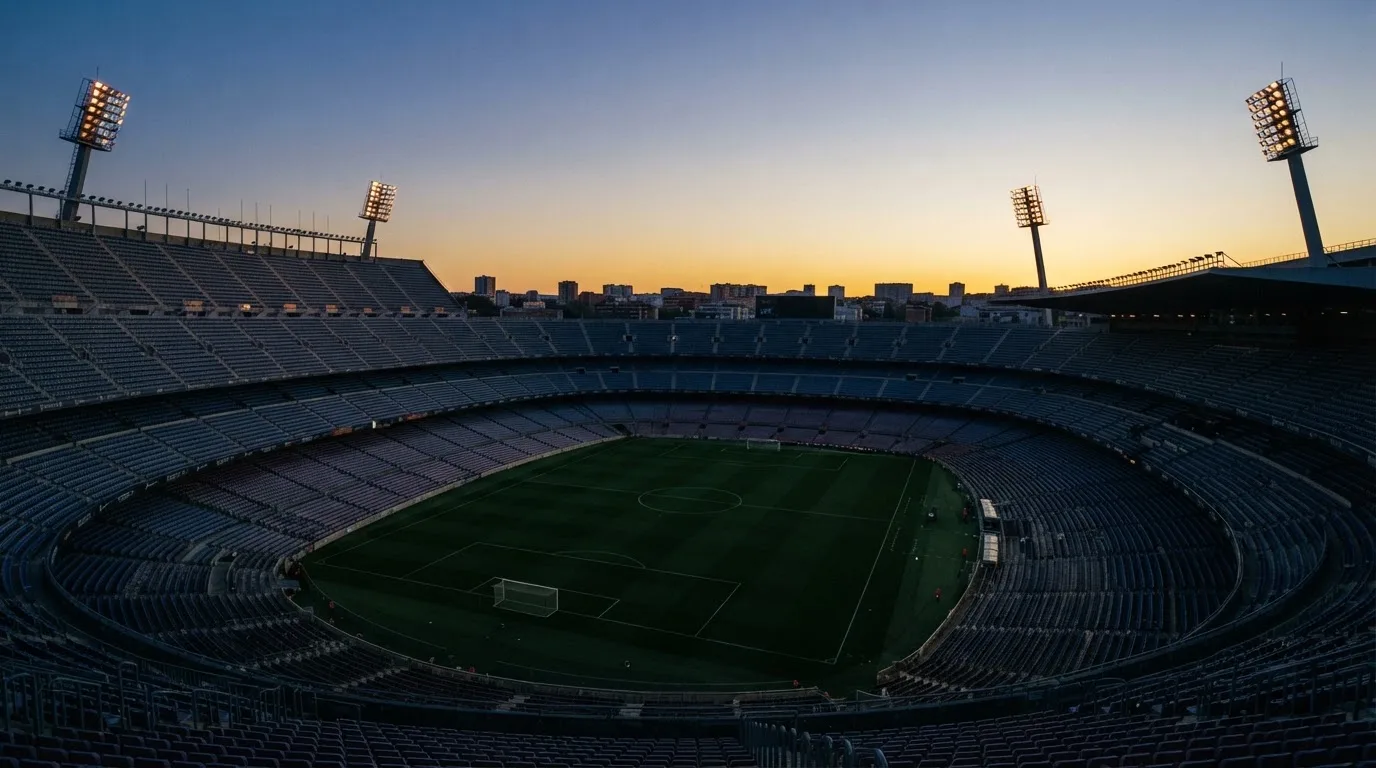
The 2026 Tour de France ran from 4 to 26 July, starting in Barcelona with a team time trial and finishing on the Champs-Élysées in Paris over twenty-one stages and 3,245 km with twenty-three teams. Tadej Pogačar, riding for UAE Team Emirates, won the race — his fifth Tour victory. For a bettor reading prices on the 2026 Tour beforehand, the consequence is the form picture Pogačar carried into the race and the stage breakdown Barcelona handed to the opening week; for a bettor reading prices on the 2027 Tour going forward, the consequence is the five-time-winning line on the favourite’s record and the field that tried to break it.
Who can take a cycling bet, and under which licence
The question of who is allowed to take a betting customer’s money is settled by statute before a market is set. In Great Britain, every operator that takes bets from customers in England, Scotland and Wales needs a licence from the Gambling Commission — the non-departmental public body sponsored by the Department for Culture, Media and Sport, set up under the Gambling Act 2005. Northern Ireland is outside the Act; a GB-licensed operator’s terms in Great Britain are not the same as its terms to a customer in Belfast. The Commission’s public register is the whole test: it can be searched by business name, trading name, domain or account number, and an entry on the register is what tells a customer the deposit, the bet and the eventual winnings sit inside a regulated framework with an alternative dispute-resolution route behind it.
What a GB licence covers
Since the Gambling (Licensing and Advertising) Act 2014 an operator whose remote facilities are used in Great Britain needs a Commission licence wherever the operator is based. A Curaçao, Maltese or Gibraltar licence is not a substitute. The five categories that show up against cycling-relevant licences are remote general betting standard — covering real events and covering virtual events under a separate category — remote general betting limited, remote pool betting, and remote betting intermediary, the last of these being the licence a betting exchange holds. Spreadex, which runs financial spread betting on top of fixed-odds sports, is the only operator in the table whose non-sports product is regulated by the Financial Conduct Authority rather than the Commission, and that separation is the reason the firm publishes a warning on its homepage that spread betting losses can exceed deposits.
Who a customer is verified against, and when
A customer at a licensed remote operator is verified before the first deposit — name, address, date of birth — and that check has to clear before a single bet is placed, even using a free bet or a bonus. The minimum age is 18. The result is that no anonymous betting is possible at any of the ten brands in the table. Where a customer’s deposits minus withdrawals run past £150 over thirty rolling days, a financial vulnerability check applies — a check of public records such as bankruptcy or county-court judgments, not an income check and not a credit reference. The wider “affordability” framework has been announced by the Commission in stages, with the published plan of 7 July 2026 carrying no start date.
Why no single brand is “the only” licensed operator
There is no statutory cap on the number of licences the Commission can grant, and the register lists far more brands than any article can feature. Several of those brands trade under the same corporate licence — Ladbrokes and Coral, Paddy Power and Betfair, for example. None of the ten brands above has a monopoly line; each one is one of several hundred live entries on the register on the day the licence number is checked. A reader who wants a wider view of the market should treat the Commission’s register as the index rather than the table above as a shortlist.
The cost of betting outside a GB licence
The Gambling Act 2005 makes it an offence for an operator to provide gambling facilities in Great Britain without the licence the Act requires — section 33 — with sentencing on summary conviction stretching to fifty-one weeks’ imprisonment, a fine up to level 5, or both, and to six months in Scotland. No offence aimed at a customer who merely bets on an unlicensed site has been written into the statute. The consequence for the customer is loss of protection — no GAMSTOP coverage, no Commission complaints route, no approved dispute-resolution body, no British consumer redress if funds are withheld — and not a criminal record. Honest framing puts those two pieces in the same sentence: a licensed account carries checks, limits, GAMSTOP coverage and the bonus cap, but also verification before the first bet; an unlicensed account carries none of those protections and the realistic risk that funds are not returned if a dispute arises.
The protections that come with a licensed account, and the ones that don’t
A licence is not a guarantee that nothing goes wrong. It is a guarantee that something goes right in a particular way when something goes wrong. The Commission’s framework puts several mechanics on a licensed operator’s side of the contract, and a cycling customer who knows what those mechanics are — and what they aren’t — is in a different position from one who does not.
Self-exclusion through GAMSTOP
GAMSTOP is the national multi-operator online self-exclusion scheme. Participation is a mandatory licence condition for online operators, in force since 31 March 2020. A customer self-excludes for a minimum of six months, with longer options of one year, five years, or five years with auto-renewal. The minimum exclusion runs for seven more years after the chosen period ends unless the customer asks GAMSTOP to remove it. Coverage is online sites and apps; betting shops use a separate service. A cycling customer opening a new account at any brand in the table above is checked against GAMSTOP before the first deposit, and a self-excluded customer cannot open a new account at any participating brand while the exclusion is in force. The rule is a player’s strongest single lever: one self-exclusion, ten brands covered.
Financial vulnerability check at the £150 threshold
When deposits minus withdrawals exceed £150 over thirty rolling days, a financial vulnerability check applies. It is a public-record check — looking for entries such as bankruptcy orders or county-court judgments — not an income check and not a credit reference. The check went live alongside the Commission’s published LCCP condition 3.4.4 in August 2024, and the £150 trigger was added in February 2025. A customer whose betting sits below the threshold never meets the check; a customer whose betting runs above it on a sustained basis will. The check is the Commission’s own data on the customer’s public position, not a private credit file.
The deposit-limit regime and its staggered dates
Deposit limits — a gross deposit limit on a fixed time frame the customer sets — have been rolling out in stages. The first changes have applied since 31 October 2025; a second phase was postponed to 30 September 2026, and whether the second phase is live now is not established. There is no state-set deposit or loss ceiling for betting in Great Britain; the limit is the customer’s own choice, not a regulator’s number. The consequence for a cycling customer reading ten bookmakers’ own deposit pages is that the limit is the first number the customer sets, before the first deposit, not a number the operator sets for them.
Bonuses after 19 January 2026
Promotion rules that took effect on 19 January 2026 cap wagering requirements on bonuses at 10x — a £10 bonus at 50x would mean £500 of qualifying bets, while under the cap no more than £100 can be required — and ban mixed-product promotions that demand gambling on two or more product types at once. Whether the cap applies to a free bet with no wagering condition, and any cap on the money value of a bonus, are not established. The published welcome offers in the operator block above carry terms written before or after the rule landed; customers opening an account today should treat the operator’s own terms page as the rule, not the app store description, because the operator’s own page is where the post-January wording lives.
Where to get help if cycling betting stops being a choice
GamCare runs the National Gambling Helpline. GambleAware funds treatment and education. The NHS runs gambling clinics. Gamblers Anonymous runs meetings. A customer self-excluding through GAMSTOP is the most powerful single step a customer can take; for a customer who has not reached that step but is worried about one, the helpline is the next step. None of these routes is contingent on a brand, a sport or a stake size. A cycling customer who has decided to stop betting has stopped betting, and the support structure is the same shape whichever sport or brand they were on.
Advertising, the watershed and who pays for the front of the shirt
Advertising is not licensed by the Commission; it runs through the CAP Code for non-broadcast advertising and the BCAP Code for broadcast, both enforced by the ASA, alongside the LCCP marketing conditions. CAP Code section 16 requires gambling advertising to be socially responsible, of no strong appeal to under-18s, and featuring nobody who is or seems to be under 25 (with the exception of marketing placed where a bet can be made directly — the rule is about who may appear in the advertisement, not who may bet). The Premier League clubs’ voluntary withdrawal of gambling sponsorship from the front of matchday shirts from 2026/27 is a club decision, not a statute. None of this changes what a customer sees in a cycling market; it changes how the bookmaker is allowed to put the offer in front of the customer in the first place.
The races the prices attach to
Cycling is unusual among sports: the calendar is sparse, the gaps between major races run to months, and a single rider’s form swings with the climb profile of the next race. Reading a price without reading the calendar the price attaches to is the most common way to misread a cycling bet. The shape of the 2026 calendar is what shapes the published markets on each brand above.
Stage races, one-day races and how each is priced
Stage races carry outright, general classification, stage win, and King of the Mountains markets; one-day Classics carry outright, top three, head-to-head and podium markets. Outrights on a Grand Tour settle weeks after the first stage; stage markets settle inside the day. A bookmaker’s market on the first week of the Tour carries tens of riders and a price for each; a market on the third week of a smaller stage race carries fewer riders and a wider price at the back. The price is right in both cases — same margin, different field. A bettor reading a price should know which race it sits inside before reading the number.
Why the favourites’ price is sometimes shorter than it looks
On a Grand Tour the favourite’s price is a function of the field depth and the race profile. A mountain-heavy Tour produces shorter favourite prices than a Classics-heavy campaign, because the favourites’ win chances run further apart from one another than in a one-day race where a sprint finish and a breakaway are both possible outcomes. A short price on a favourite in a Grand Tour is not a sign of an unusually generous margin; it is a sign of an unusually concentrated win probability. The arithmetic is the same either way — the margin is a property of all the prices on the market together, not any one of them.
What sets cycling apart from a sport like football
A cycling market is a thin market with a long tail: ten to twenty quoted riders on a stage race, fewer on a one-day Classic, and a tail of long shots at the back of the price list where the bookmaker’s view is “could finish top twenty”. A football match market is a fat market with three outcomes (home, draw, away) priced tight together; a tennis match market is two outcomes, priced tighter still. The price spread is the first visual a bettor reads, and a bettor reading cycling for the first time can mistake the spread for an unusually heavy margin. The next section reads the margin out of two quoted decimals and shows why the spread is independent of the margin.
How the margin sits inside two quoted prices
The calculation below reads the margin out of a two-way illustrative market at decimal odds 1.90 and 1.90 — the kind of line a bookmaker would put on a coin-toss event for marketing reasons, since that is where the maths is easiest to see. The price is illustrative, not quoted from any brand in the table above, and a real coin-toss event would not be in any UK bookmaker’s published feed. The point is the arithmetic.
For a market with two outcomes priced at decimal 1.90 and 1.90, the implied probability of each outcome is the inverse of the price, or roughly 52.6% per side. The two implied probabilities together come to 105.3%, and the gap from 100% is the bookmaker’s margin — 5.3% of every unit staked across the market, kept on average. That gap is the “overround”: the slice of every pound bet that does not go back out as winnings. In a more competitive market the overround runs lower; in a one-sided market it runs higher. Five-point-three per cent on a coin-toss is a typical margin for a UK bookmaker on a major sport.
The result holds as a band. A two-way market at 1.85 and 1.95 implies roughly 54.1% and 51.3% on the two sides, summing to roughly 105.4% — a 5.4% margin. A market at 1.91 and 1.91 implies 52.4% on each side, summing to 104.7% — a 4.7% margin. The band on UK bookmaker margins for two-way sports markets runs roughly from 4% to 8% depending on the sport, the competitiveness of the event, and the customer the operator is trying to attract. Cycling sits in the upper end of that band on a stage-race head-to-head and inside the band on a Grand Tour outright, because the field is wider and the favourites’ prices are spread across more runners. The condition on the band is that it holds for two outcomes only; a three-way market (home / draw / away in football, for example) carries a higher margin and a different shape.
The implication for the cycling reader is straightforward. The margin is what the customer pays for the service of being able to back a rider at a click. The price on each rider is the true price plus the margin; the head-to-head margin on a stage race is lower than the outright margin because the market is narrower. A bettor shopping for the smallest margin on a cycling line should price the same selection at two or three brands before placing the bet. The price at decimal 4.50 versus decimal 5.00 on the same rider is a different conversation about the same race; the margin comparison is the second step, not the first.
Frequently asked questions
How is a cycling bet settled, and what does the price pay when it wins?
A cycling bet settles on the result the operator publishes for the market in question. For a Grand Tour outright, the result is the rider at the top of the general classification on the final stage; for a stage win, the result is the rider who crosses the line first in that stage; for a one-day Classic, the result is the rider at the top of the finish on the day. The price on the betting slip is the price that pays. At decimal odds of 4.00 on a £10 stake, a winning bet returns £40 — the £10 stake plus £30 of profit — for a net gain of £30. At decimal 1.50, a £10 stake returns £15, a net gain of £5. At decimal 7.50, a £10 stake returns £75, a net gain of £65. The return is the stake times the odds; the profit is the stake times the odds minus the stake.
Are there different kinds of cycling markets, and which bookmaker offers which?
Yes. The market types are usually split into outright (the race winner), general classification (Grand Tours), podium (top three), head-to-head (one rider beats another in the result), stage win (a specific stage), King of the Mountains or points classification (subsidiary leader jerseys), and combinations of the above as an accumulator across two or more races or stages. Each of the ten brands in the table above publishes its own subset of these markets; an outright is the commonest, a King of the Mountains the rarest. A bettor shopping for a stage market in a Grand Tour will find at least one of the brands above carrying it; a bettor shopping for a specific jersey classification should check the operator’s terms before staking, because the contract on a non-outright market varies.
Do the welcome offers cover cycling bets?
Generally yes, with the conditions the offer names. Betboro’s qualifying bet rule, Hollywoodbets’ accumulator rule, and Bet Ahoy’s £5 acca share all carry through to cycling lines the same way they carry through to football. The qualifier each offer names — minimum number of selections, minimum price per leg, accumulator price threshold, settlement inside seven days — has to be met on the cycling leg of the bet, not a side bet. A cycling customer whose stake is a single on a 1.60 favourite is covered by the broader rules; one whose stake is a stage acca at 25/1 is not, and the offer is moot. Reading the offer before the bet is the only way to read the offer.
What is Best Odds Guaranteed, and does it apply to cycling?
Best Odds Guaranteed is a rule that applies to horse racing — specifically UK and Irish horse racing win and each-way bets. Where the rule is in force at an operator, the price paid is the larger of the price taken and the starting price, on bets placed from a published time on race day (typically 9am or 10am, depending on the operator). For cycling, BOG does not apply. The cycling price is the cycling price on the betting slip at the time the bet is struck; if a rider’s price drifts after the bet is placed, the bet does not move. The marketing comparison of “BOG on racing, fixed on cycling” is the rule that decides which sport an offer-promotion-led bettor focuses on.
How does a betting exchange differ from a bookmaker?
A betting exchange — Matchbook in the table above — lets customers back and lay against one another, with the operator taking a commission on net winnings rather than a margin baked into each price. A bookmaker sets the price; an exchange lets the customer set the price by accepting the other side of someone else’s bet. The consequence is two-fold: an exchange at 7.00 on a rider is closer to the true probability than a bookmaker’s 5.50, because no margin is loaded in; and the price is only as good as the liquidity on the other side. A bettor whose preferred selection is at the back of a thin market may not find a price at all on an exchange.
Can a cycling bet be cashed out before the race settles?
It depends on the operator’s cash-out feature and whether it is offered on the market in question. cash out is a feature that lets a customer take a settlement on the bet before the official result — at a price the operator sets. For a cycling outright on the day of a Grand Tour’s first stage, the cash-out price drifts with the stage result; for a one-day Classic, the cash-out window collapses to a few minutes around the finish. The operator’s published terms are the rule; the price on the cash-out button is the operator’s number, not the customer’s. A reader who relies on cash out should check the operator’s sportsbook terms before staking.
What is the Commission doing about the betting market in 2026?
The Commission’s published work in 2026 covers the promotion rules that took effect on 19 January 2026 — the 10x wagering cap on bonuses and the ban on mixed-product promotions — and the announced, staged plan on financial risk assessments that has no start date. The deposit-limit regime is in mid-roll-out, with a second phase postponed to 30 September 2026 and its live status not established. There is no consumer-facing ban on cycling markets; no statutory cap on stakes; no new general-betting licence requirement beyond what the 2014 Act set; and no list of permitted or prohibited markets other than what each operator’s licence category allows. A reader who has not visited the Commission’s register before should treat it as the verification document for any brand they intend to stake with.
What does it cost to bet on cycling in tax?
Nothing on the player side. The player pays no tax on betting winnings in Great Britain; General Betting Duty is the operator’s tax on gross profits, currently 15%, with a new remote rate of 25% applying from 1 April 2027. The 25% rate applies to remote bets generally, while remote bets on UK horse racing, self-service betting terminal bets, pool betting and in-person betting stay at 15%. Until 1 April 2027 the remote rate stays at 15%, and whether operators pass duty on through prices is not established. A professional gambler should ask HMRC or an adviser; a recreational bettor should read the published duty rate as the operator’s cost and leave it at that.
Why is cycling harder to bet on than football?
Liquidity. A Premier League match carries hundreds of markets across dozens of operators with hours of pre-match trading and a deep in-play feed; a Tour de France stage carries tens of markets across the operators who carry cycling, and the in-play feed on a breakaway is thinner. The price on a football favourite is set against a market the operator knows it can hedge; the price on a cycling outsider is set against a market the operator hedges less aggressively. The arithmetic is the same — the margin sits inside both — but the bettor’s experience of finding a price is different. A reader new to cycling should treat the cycling tab at any operator the way they would treat a niche sport: with the expectation of fewer markets, a longer tail, and a slightly wider margin on the rider they back.
What does this page describe and what does it recommend?
It describes ten licenced UK bookmakers and what each one’s own terms say on cycling and adjacent products; the legal framework that decides who can take the bet; the protections that follow from holding a licence; the racing calendar the prices attach to; and how the margin sits inside two quoted prices. It does not name a winner. It does not pick a “best bookmaker”. It does not recommend a bet on a rider. The rider a reader backs is the reader’s call, and the rider the page names in describing the 2026 Tour is the rider research records as the winner. No part of the page is a tip, a system or a “sure bet” — nobody can know an outcome before the race is run, and a reader who acts on a predicted one loses real money on the page’s word.
Combat & motorsport – systembetsguide.com
Content created by the «systembetsguide.com» team
